


Choosing the right sunroom flooring can feel overwhelming. There are so many options, and you need something that handles sunlight, moisture, and temperature changes. I’ve spent years working with homeowners on this exact problem, and I’m here to help you make the best choice.
In this guide, we’ll cover why sunroom floors need special attention, what factors matter most, and the top flooring types that actually work. You’ll learn about hardwood, engineered wood, waterproof options, and vinyl choices.
By the end, you’ll know exactly which floor fits your space, budget, and lifestyle. We’ll compare the pros and cons of each material so you can make an informed decision. Let’s find the perfect floor for your sunroom together.
Why Sunroom Flooring Requires Special Consideration
Sunrooms face conditions that regular indoor floors don’t handle well.
Direct sunlight and UV exposure hit your floor every day. This causes fading, discoloration, and damage over time. Regular floors weren’t built for this kind of constant sun.
Indoor-outdoor moisture and humidity create problems, too. Condensation forms on windows. Rain blows in when the doors open. Your floor needs to resist water damage.
Seasonal temperature fluctuations stress most flooring materials. Summer heat makes floors expand. The winter cold makes them contract. This cycle causes warping and gaps.
That’s why you need waterproof and low-maintenance materials. Standard flooring options often fail in sunrooms. The right choice saves you money and headaches down the road.
Key Factors to Consider When Choosing Sunroom Flooring
Not all flooring handles sunroom conditions the same way. Here’s what matters most.
- Sunlight & UV Exposure: Fade resistance matters more in sunrooms than in any other room. Direct sun bleaches colors fast. Light floors hide sun damage better than dark floors, which show bleaching and uneven color changes within months.
- Moisture & Water Resistance: Condensation and rain exposure happen regularly in sunrooms. Water-resistant isn’t enough. You need truly waterproof options that won’t warp, swell, or grow mold when wet.
- Temperature & Climate Suitability: Performance in hot, cold, and four-season climates varies by material. Some floors crack in extreme cold. Others warp in intense heat. Match your floor to your local weather and seasonal extremes.
- Foot Traffic & Daily Use: High-traffic sunrooms need different solutions than low-traffic spaces. A sunroom used as the main entry point takes more abuse than a quiet reading space. Heavy use requires tougher materials.
- Long-Term Maintenance: Consider how much time you want to spend caring for your floor. Some materials need regular refinishing or special cleaners. Others only require basic sweeping and occasional mopping.
Top Sunroom Flooring Options
The best sunroom flooring options combine durability, water resistance, and style to handle sunlight, moisture, and year-round use.
Hardwood Flooring for Sunrooms
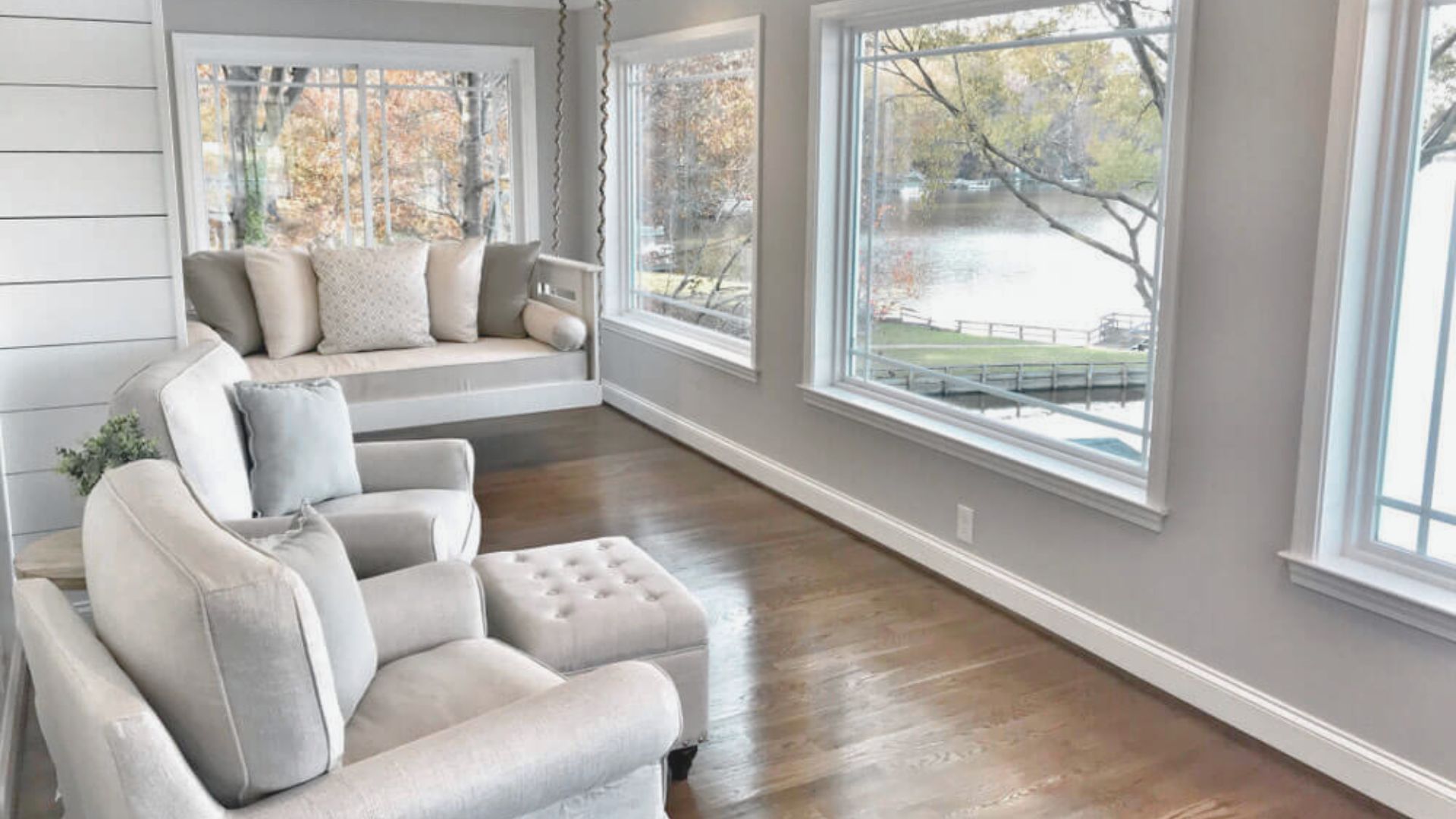
Hardwood brings warmth and natural beauty to sunrooms. Light-colored woods brighten the space and reflect sunshine well.
However, UV rays cause fading over time, and moisture can warp the wood. Oak and light-toned woods work best. Use UV-blocking window film and protective finishes to extend its life.
Engineered Hardwood Flooring
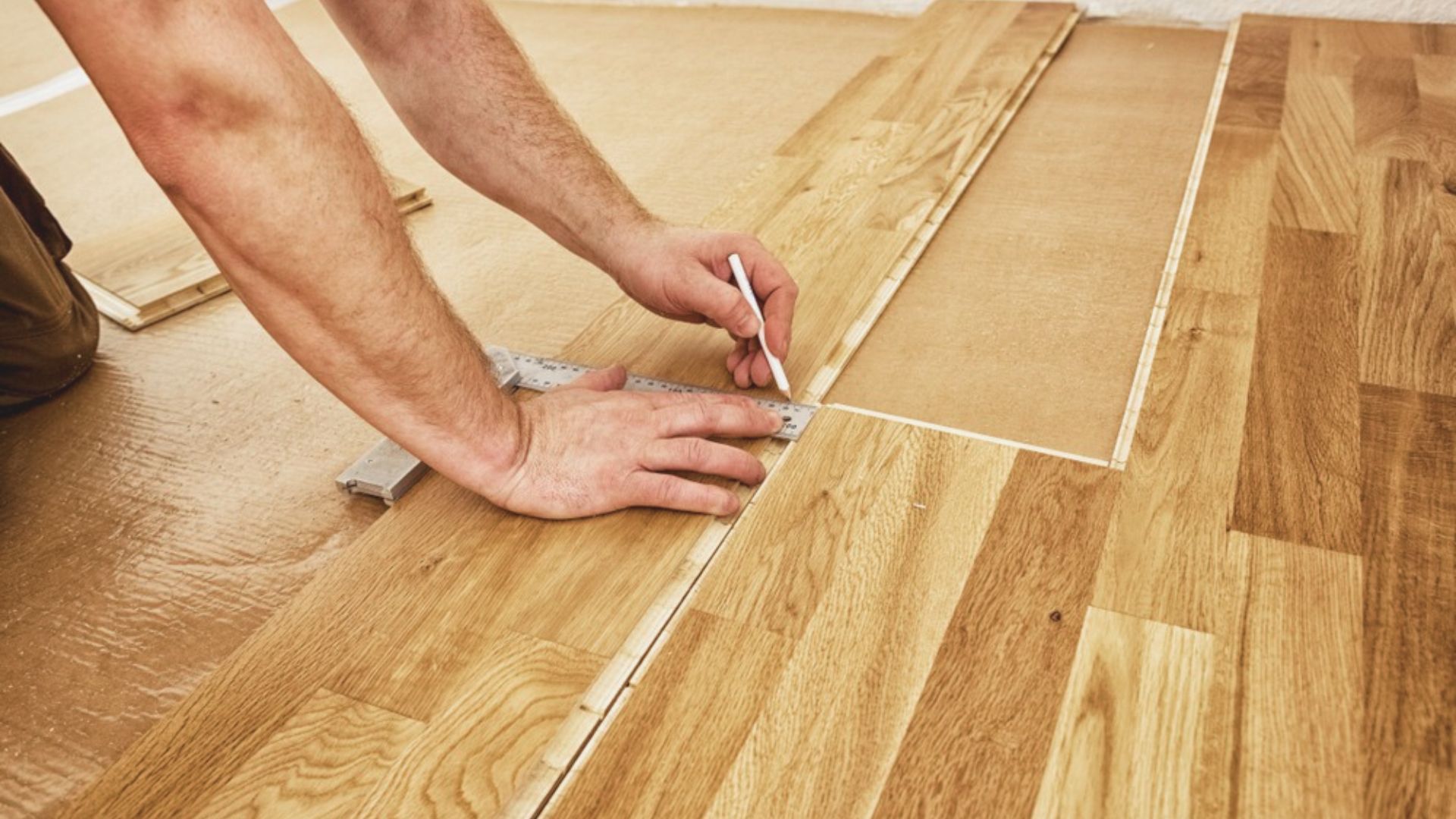
Engineered wood is more stable than solid hardwood. The layered construction resists expansion and contraction from temperature changes.
It costs less, installs more easily, and requires minimal maintenance. Light shades work best for sunrooms and only need sweeping and occasional mopping.
Waterproof Hardwood Flooring for Sunrooms
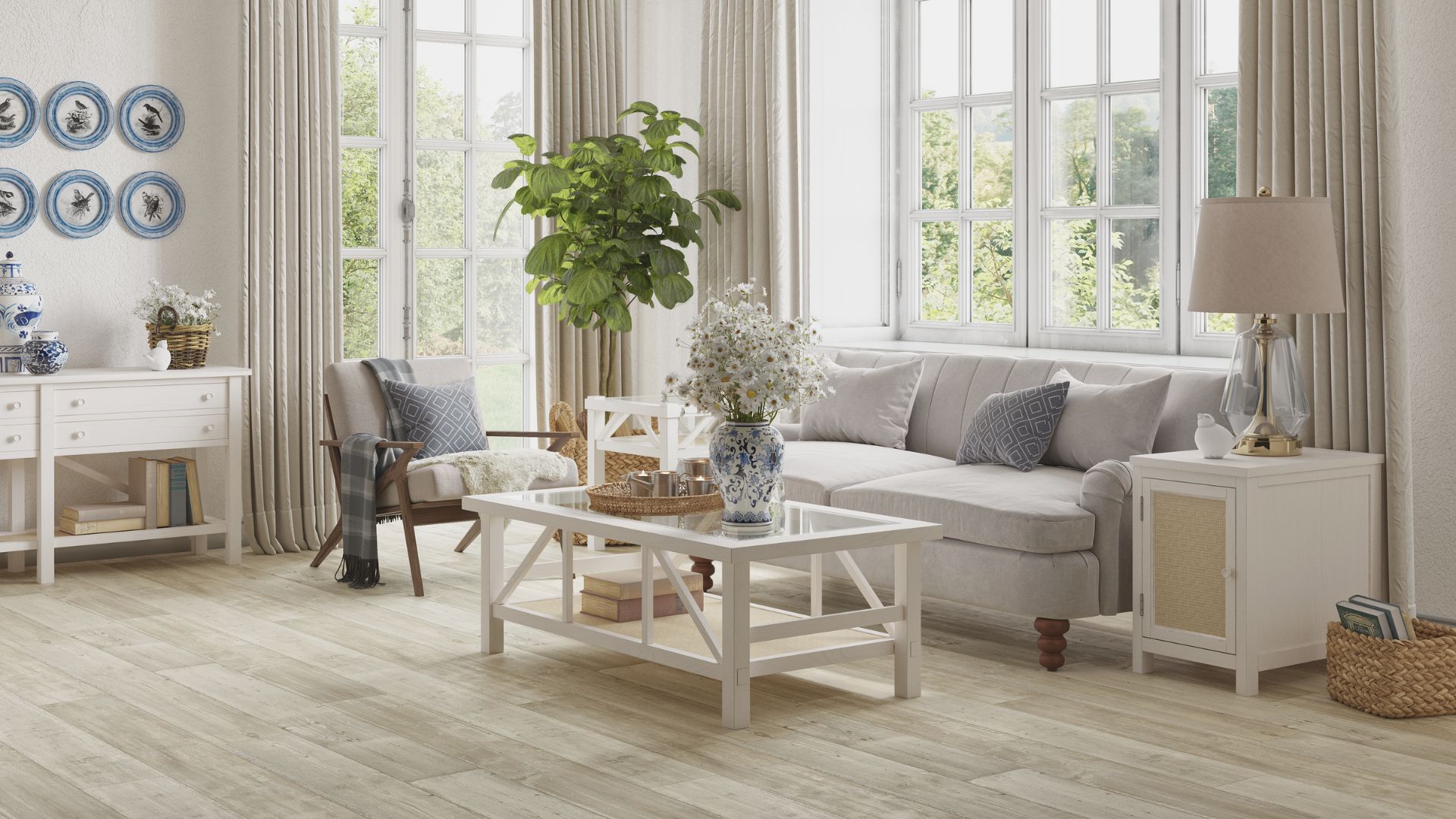
Waterproof hardwood has a real-wood top layer with a moisture-resistant core that won’t swell or warp.
It’s ideal for humid climates and porch-connected sunrooms where water gets tracked inside regularly.
Vinyl Plank Flooring for Sunrooms
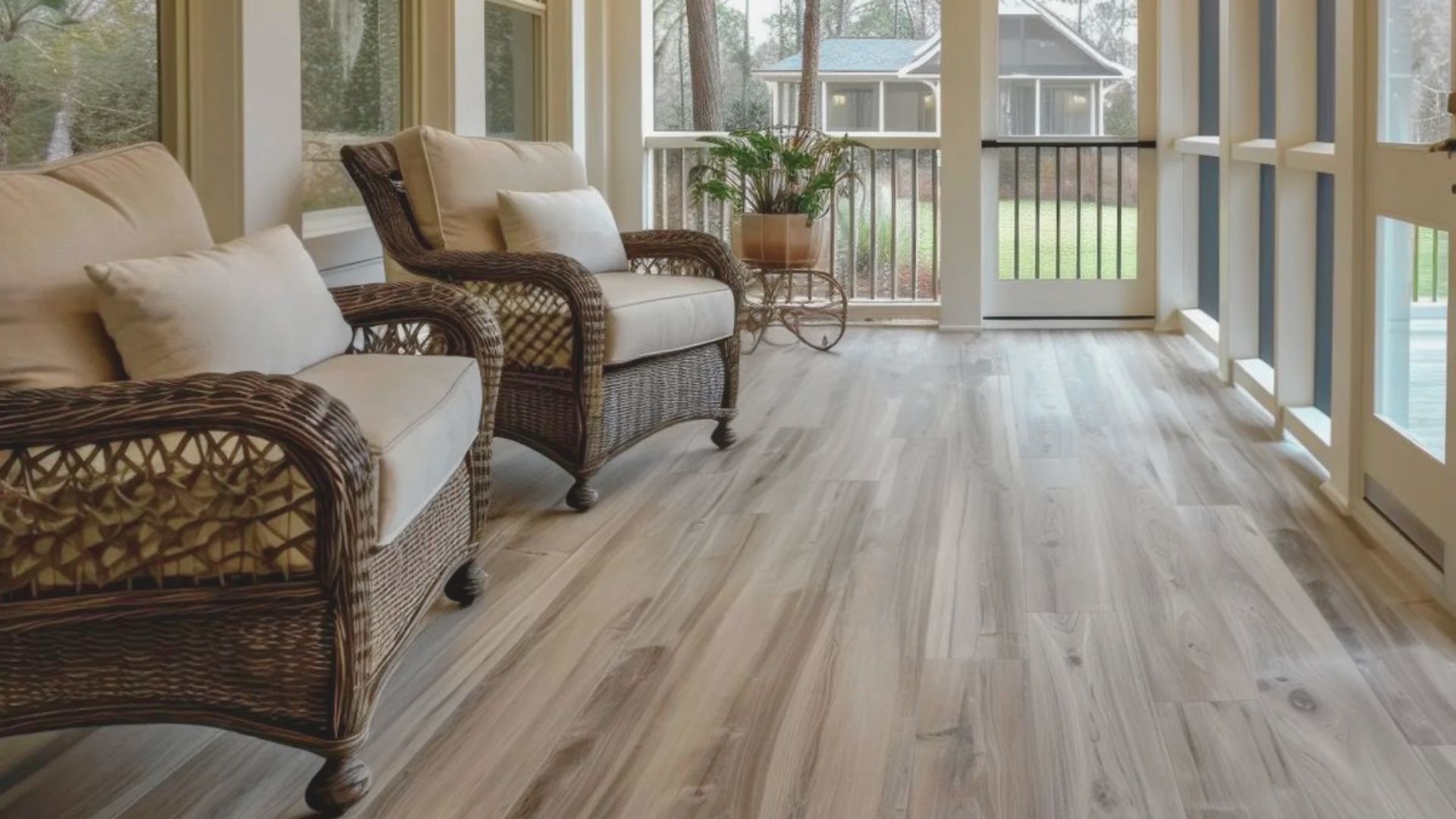
LVP is waterproof, scratch-resistant, and comfortable underfoot. It handles high traffic well and requires only basic cleaning.
Budget-friendly and DIY-friendly, it’s perfect for families with kids and pets.
Luxury Vinyl Tile (LVT) for a Tile-Look Finish
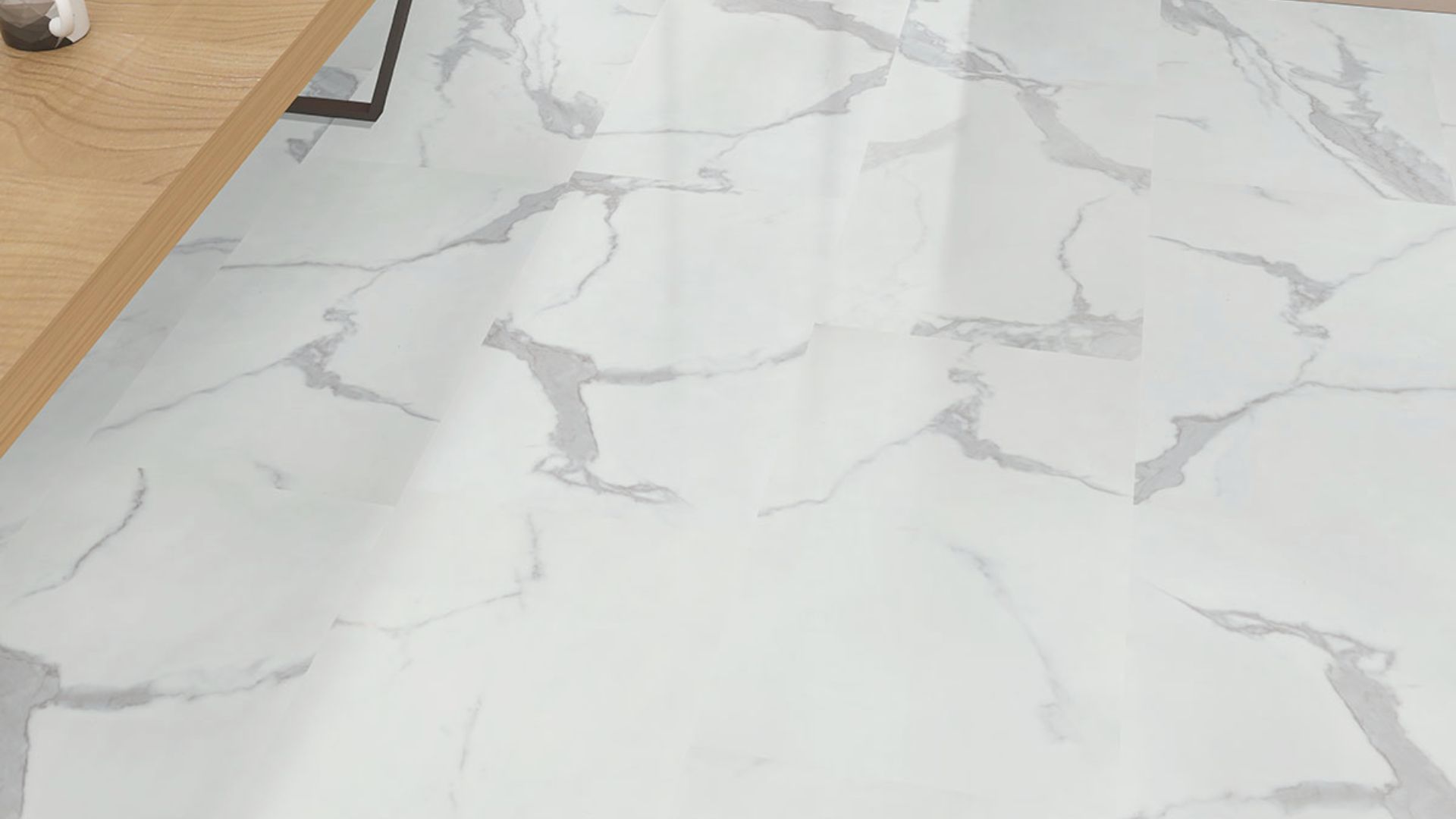
LVT provides realistic stone and ceramic looks with a warmer, softer feel than real tile. It resists water and temperature swings without cracking or warping. Great for all-season sunrooms.
Comparing Flooring Options for Your Sunroom
Cost Comparison
Vinyl flooring offers the most budget-friendly option at $2-$7 per square foot. Engineered hardwood sits in the middle range at $4-$12 per square foot.
Waterproof hardwood is the priciest at $6-$15 per square foot. Remember to factor in installation costs, which vary based on material complexity.
Durability and Lifespan
LVP and LVT last 15-20 years with proper care. Engineered hardwood can last 20-30 years. Solid hardwood lasts the longest, at 30-50 years, but requires more maintenance. Consider your long-term plans when choosing.
Maintenance Requirements
Vinyl options need the least maintenance with simple sweeping and mopping. Engineered hardwood requires occasional refinishing every 10-15 years.
Solid hardwood needs refinishing every 5-7 years and more careful cleaning to prevent water damage.
How to Choose the Right Sunroom Flooring for Your Home?
Start with style preferences. Do you want a wood look or a stone appearance? Natural materials or synthetic options? Your personal taste matters most since you’ll live with this floor daily.
Consider climate conditions next. Be honest about your local weather. Does your sunroom get blazing hot? Cold? Constantly humid? Match materials to your reality.
Set your budget considerations early. Know what you can spend on materials and installation. Remember that cheaper upfront costs might mean higher maintenance later.
Think about long-term durability too. A floor that lasts 20 years costs less per year than one needing replacement in 5 years. Factor in maintenance time and effort as well.
Write down your must-haves. Maybe waterproofing is non-negotiable. Perhaps easy care tops your list. Rank your priorities to guide your final choice.
Conclusion
Your sunroom deserves a floor that works as hard as it looks good. I’ve seen too many homeowners regret choosing pretty over practical. Take your time with this decision and think about your real life, not just magazine photos.
In my own sunroom, I chose waterproof LVP after watching my neighbor’s hardwood warp from humidity. It still looks great five years later with minimal maintenance. The right floor should match your climate, lifestyle, and budget without constant worry.
Consider what matters most for your space. Is it durability? Water resistance? Easy care? Budget? Make your choice based on how you actually use the room. Start with one flooring type that fits your needs and go from there. Your future self will thank you for choosing function alongside style.
Frequently Asked Questions
Can I use regular hardwood in my sunroom?
You can, but it’s risky. Regular hardwood fades from UV exposure and warps from moisture. Choose engineered or waterproof hardwood instead for better performance.
What’s the most durable sunroom flooring?
Luxury vinyl plank (LVP) is the most durable option. It resists water, scratches, fading, and temperature changes better than other materials.
Does vinyl flooring fade in direct sunlight?
Quality vinyl flooring resists fading well. Look for products with UV protection built in. Cheap vinyl can still fade over time.
How much does sunroom flooring typically cost?
Vinyl flooring costs $2-$7 per square foot. Engineered hardwood runs $4-$12 per square foot. Waterproof hardwood ranges from $6-$15 per square foot.
Can I install sunroom flooring myself?
Vinyl plank flooring is very DIY-friendly with click-lock installation. Engineered hardwood requires more skill but is manageable for experienced DIYers.
