


Thinking about adding a dormer to your roof? You’re in the right place.
I’ve spent a lot of time going through home improvement topics, and types of dormers is one I see people get confused about often.
There are so many styles, and picking the wrong one can cost you time, money, and regret.
In this blog, I’ll cover what dormers are, break down 13 popular styles, and help you pick the one that fits your home. I’ll also share practical tips for installation.
With thorough research and real-world insights behind this post, you’ll walk away with a clear plan.
What Are Dormers?
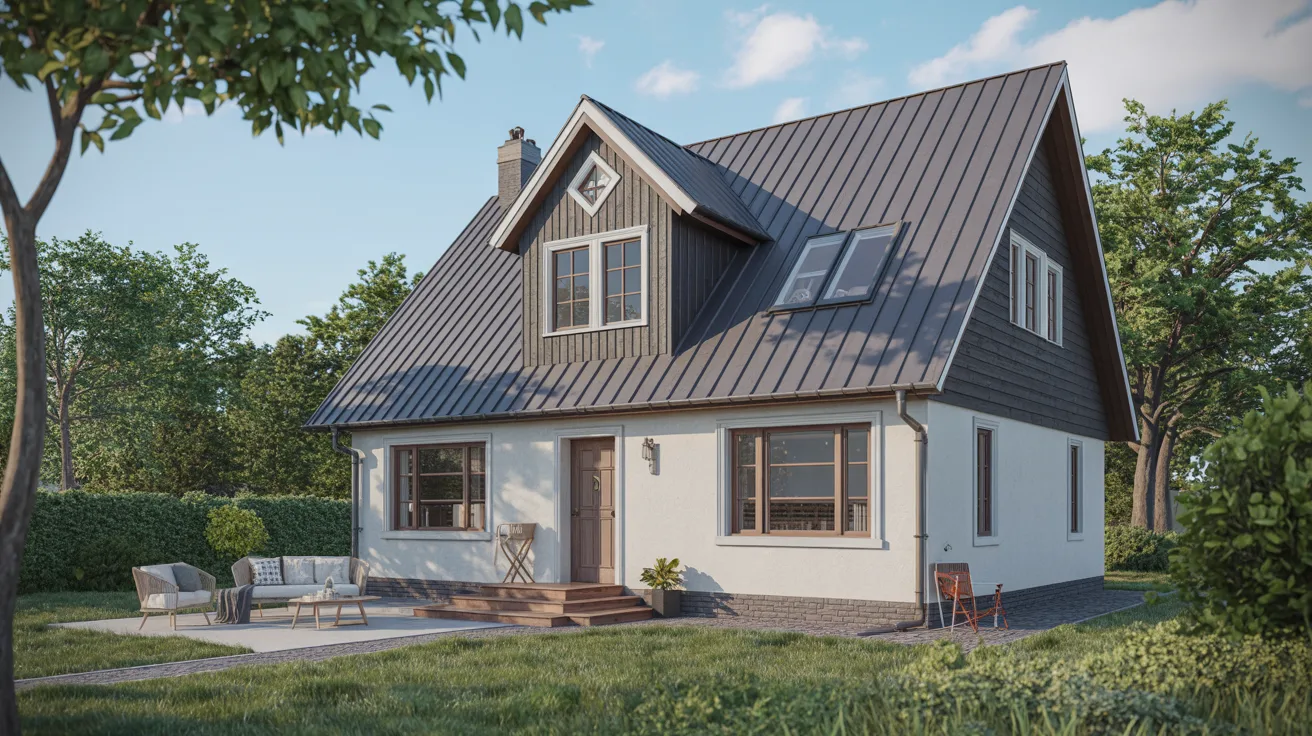
A dormer is a roofed structure that projects outward from a sloped roof. It usually includes a window and helps bring natural light and air into an attic or upper floor.
Dormers have been used in home design for centuries across many architectural styles. They come in a wide range of shapes and sizes.
Adding a dormer can turn a cramped attic into a livable room. It can also boost your home’s curb appeal and resale value significantly.
13 Popular Types of Dormers
From simple shed dormers to ornate arched styles, here are the 13 most common types you should know about.
1. Gable Dormer

The gable dormer is one of the most common styles found on homes today. It features a triangular, peaked roof that runs perpendicular to the main roof.
This style works well on traditional and colonial homes. It brings in light and adds headroom to upper floors.
Gable dormers are also fairly straightforward to build, which helps keep construction costs reasonable.
2. Shed Dormer

A shed dormer has a single-sloped roof that sits at a lower angle than the main roof. It spans a wide section of the attic, making it ideal for adding usable living space.
This is a popular choice for full attic conversions. Shed dormers are simple in design and usually cost less than most other styles available.
3. Hip Dormer

A hip dormer has three sloping roof sides that come together at a central peak. It looks polished and blends well with hip-roofed homes.
This style sits naturally against the main roof without standing out too boldly. It’s a solid option if you want to bring in more light without making a strong visual statement on the roofline.
4. Flat Roof Dormer
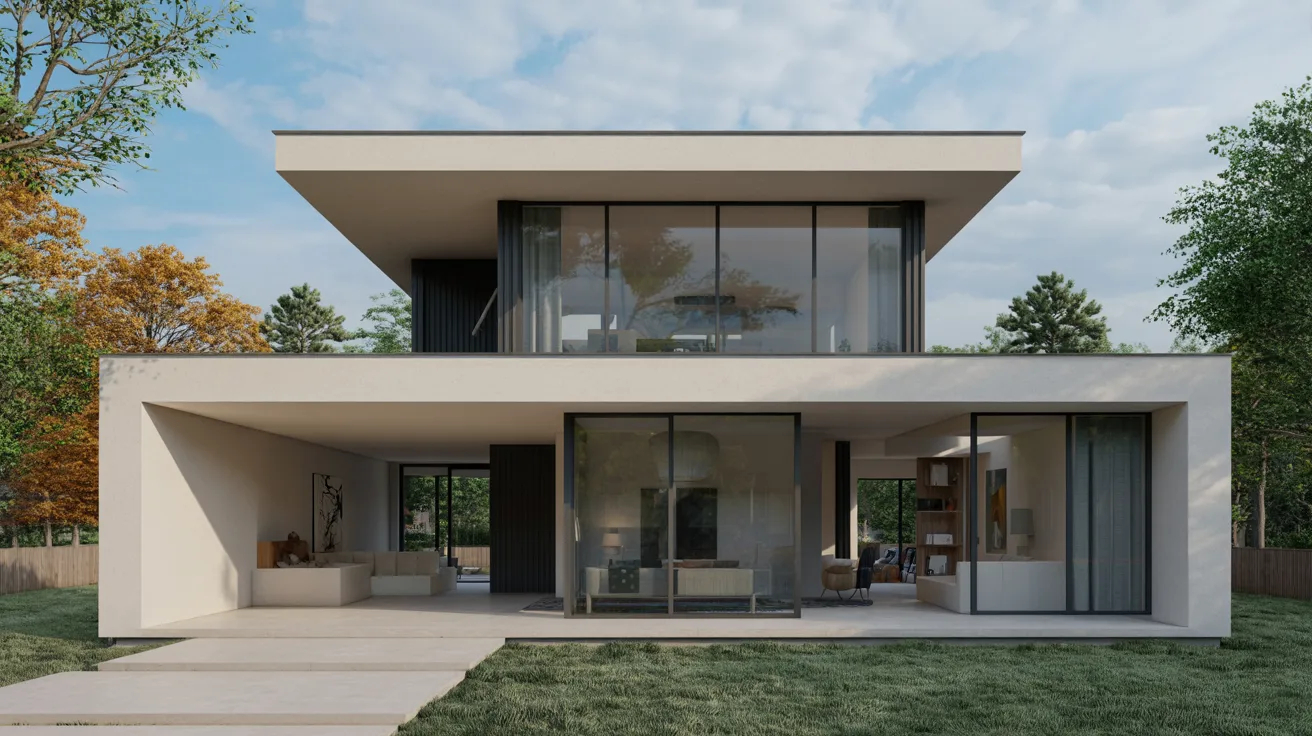
A flat roof dormer has a horizontal top rather than a pitched one. It’s one of the simplest dormer designs you’ll come across.
This style is common in modern and contemporary homes. It gives a clean, boxy look that pairs well with flat-roofed architecture.
It’s also one of the more budget-friendly options to build and maintain over time.
5. Eyebrow Dormer
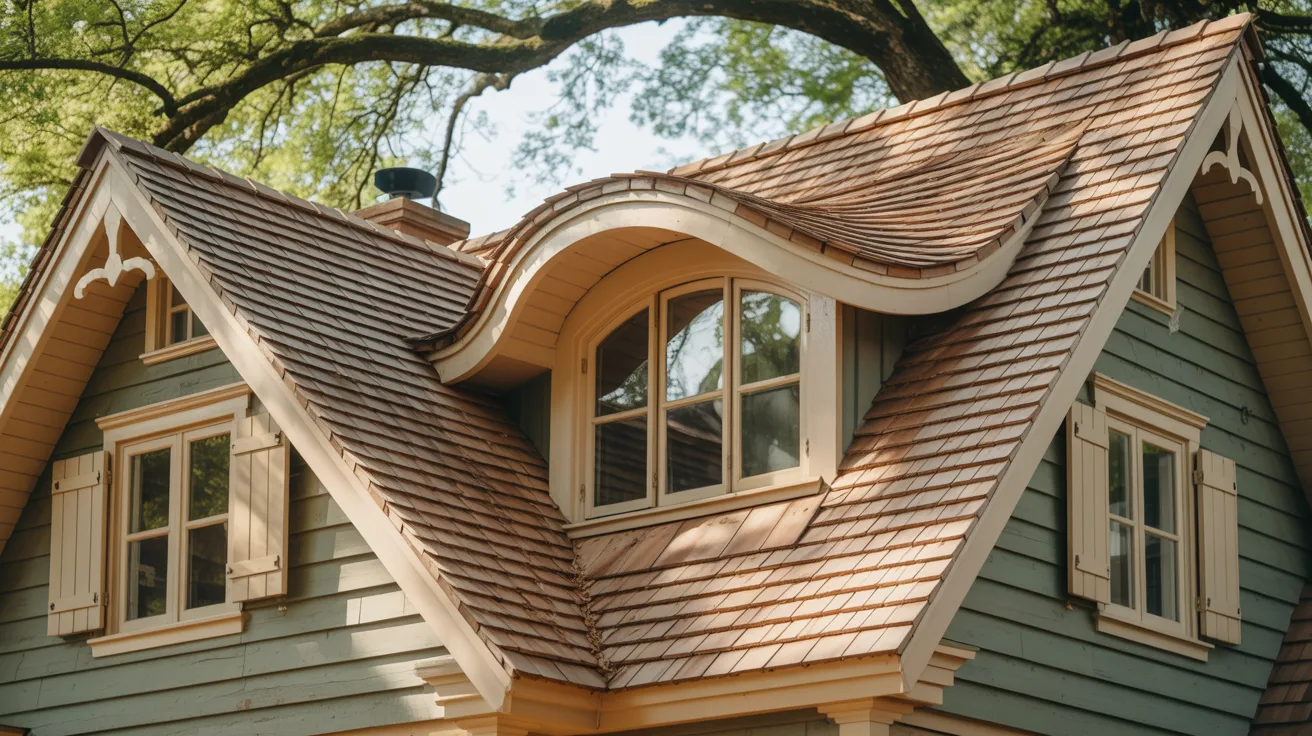
An eyebrow dormer has a low, curved roof that hugs the roofline closely. It looks like a raised eyebrow, which is exactly how it got its name.
This style is more decorative than functional. It adds charm to older and cottage-style homes. Eyebrow dormers are not the best choice if your main goal is gaining significant interior living space.
6. Wall Dormer

A wall dormer extends from the vertical wall of a house rather than from the roof itself. It’s less traditional but very functional in design.
This type creates more room on upper floors without cutting into the main roof structure. Wall dormers suit modern and boxy home designs.
They’re practical, clean-looking, and relatively straightforward to install on new builds.
7. Bonnet Dormer

A bonnet dormer has a small, curved roof that flares out softly at the bottom edges. It’s often seen on French-inspired homes.
The sloped sides give it a rounder, softer look compared to sharper dormer styles. This style adds character to a roofline without requiring major structural changes.
Bonnet dormers are mostly used for visual appeal but still let in some light.
8. Nantucket Dormer

A Nantucket dormer combines two gable dormers connected by a shed section in the middle. This creates a wider, more open structure with extra headroom.
It’s popular in New England-style homes. This style adds a good amount of natural light and livable space.
It works especially well for homeowners planning a full attic conversion into a proper room.
9. Lucarne Dormer
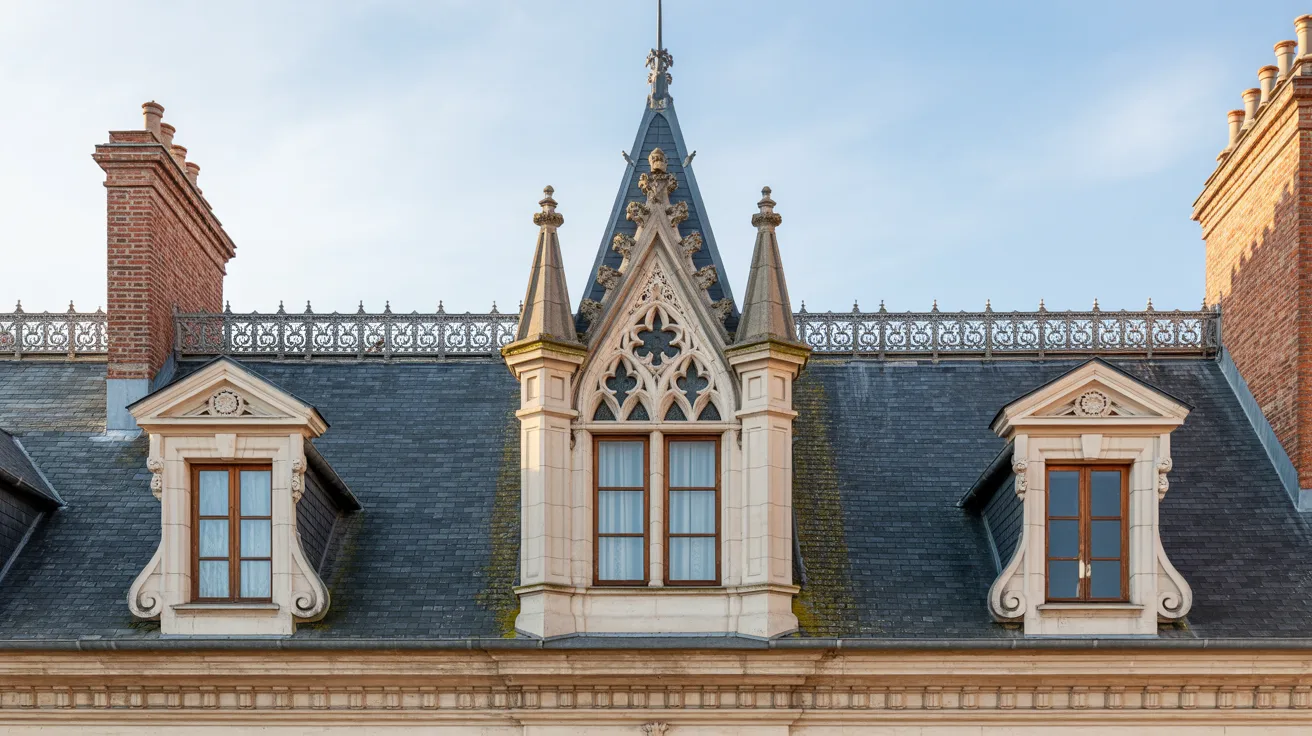
A lucarne dormer is tall and narrow, often topped with a pointed Gothic arch. It’s commonly seen on French chateaux and Gothic revival homes.
The vertical design makes the roofline appear taller and more formal in style. Lucarne dormers are more decorative than practical.
They work best on historic, period-style, or high-end custom homes with matching architectural details.
10. Segmental Dormer

A segmental dormer features a curved, arched roof that forms a shallow partial circle. Unlike a full arch, the curve is wider and less pronounced.
This style is common in Georgian and Federal-style architecture. It adds a refined, classic look to the roofline.
Segmental dormers sit nicely between flat and fully arched designs, offering a balanced visual middle ground.
11. Gambrel Dormer
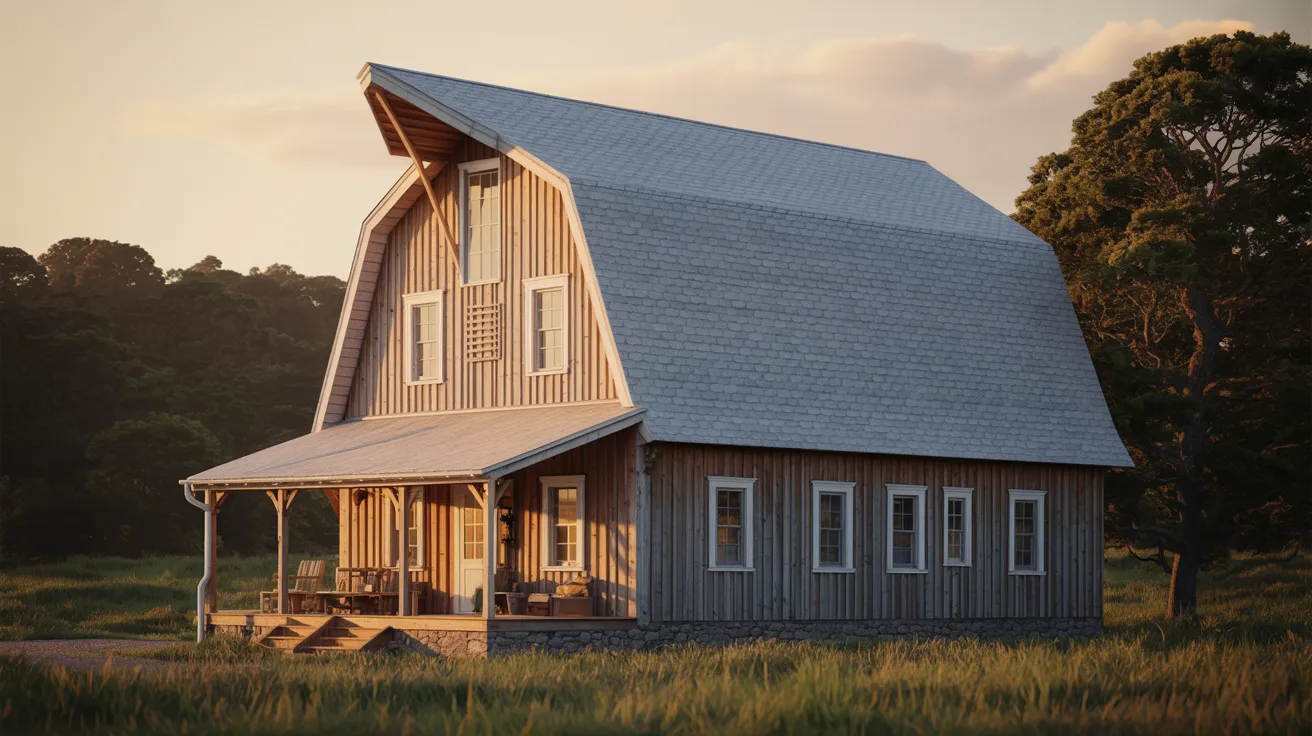
A gambrel dormer uses the same two-slope design found on a gambrel roof. The lower slope is steep, and the upper slope is flatter.
This style works best on homes that already feature a gambrel roof. It adds space and a barn-inspired look.
Gambrel dormers are a natural and cohesive fit for farmhouse-style and rural residential properties.
12. Octagonal Dormer

An octagonal dormer has eight sides, giving it a very distinctive appearance on any roofline. This style is more of a design statement than a practical space-adding solution.
It fits well on Victorian and cottage-style homes. Octagonal dormers are rare, which makes them a real standout feature.
They add personality and strong curb appeal to homes with character-driven architecture.
13. Arched Dormer

An arched dormer has a rounded, half-circle roof instead of a peaked or flat one. It’s a classic style often found on Mediterranean and Spanish-influenced homes.
The curved top gives the roofline a soft, graceful appearance. Arched dormers are less common than gable styles but make a lasting impression as a memorable and visually appealing design feature.
How to Choose the Right Dormer for Your Home
The right dormer depends on your home’s existing style, your budget, and how much space you actually need.
If you have a traditional home, a gable or hip dormer will blend in naturally. For modern homes, flat roofs or shed dormers tend to work better.
Think carefully about how much natural light you want and how much headroom you’re after. Always speak with a licensed contractor before making a final call.
A good match adds long-term value and function to your home.
Tips for Dormer Installation and Design
A few things can make or break your dormer project, here’s what to keep in mind before you start.
- Hire a licensed contractor with dormer experience. Poor installation can lead to roof leaks, structural damage, and costly repairs down the line.
- Match the dormer style to your existing roof pitch. A mismatch looks awkward and can hurt your home’s curb appeal from the street.
- Pull the necessary permits before any work begins. Most dormer projects require local building approval before construction can legally start.
- Plan for proper waterproofing and flashing. The area around a dormer is the most common spot for water to get in during heavy rain.
- Set a clear budget before you commit. Dormer costs can vary widely based on size, style, and the complexity of the job.
Conclusion
If you’ve made it this far, you’re clearly serious about getting your home right.
I’ve always thought that a well-chosen dormer does more than just add space. It changes how a home feels from the inside and how it looks from the outside.
Start by picking a style that fits your roof and your home’s overall look. Then talk to a contractor who knows their stuff.
If this guide on types of dormers helped you out, drop a comment below or share it with someone who’s planning a similar project.
I’d love to hear which style caught your attention most.
Frequently Asked Questions
What is the most common type of dormer?
The gable dormer is the most widely used style in residential homes. It fits most roof types and is generally cost-effective to build.
Do dormers add value to a home?
Yes, a well-installed dormer can boost your home’s value by adding livable space and improving curb appeal. It often offers a solid return on investment.
How much does a dormer cost to install?
Dormer installation costs can range from $2,500 to $30,000 depending on size, style, and location. Shed and flat roof dormers tend to be the most affordable options.
Can a dormer be added to any type of roof?
Most roof types can support a dormer, but some are better suited than others. A licensed contractor can assess your roof’s structure and recommend the best fit.
How long does dormer installation take?
A basic dormer installation usually takes one to three weeks to complete. Larger or more complex designs may take longer depending on the scope and scale of the work.
