


Looking for a sleek way to update your kitchen? Cabinets without handles offer a modern solution that solves both style and function problems. I’ve been helping homeowners redesign their kitchens for over a decade, and handleless cabinets consistently deliver clean lines and extra space.
In this guide, you’ll learn about 11 different handleless cabinet designs. We’ll cover J-pulls, push-to-open systems, rail mechanisms, and more. You’ll see how each option works, when to use it, and which finishes look best.
I’ll also share tips for small kitchens, color choices, and mixing handleless cabinets with other features. By the end, you’ll know exactly which style fits your space and how to make it work.
What Are Cabinets Without Handles?
Cabinets without handles use alternative opening methods instead of traditional knobs or pulls. The opening mechanism is either hidden inside the cabinet or built into the door edge.
Push-to-open systems use spring-loaded hinges. Press the door, and it pops open slightly. J-pull designs have a groove cut into the door edge.
You slip your fingers into this channel to pull open. Rail systems feature a continuous horizontal rail behind the door. Your fingers fit behind the rail to open cabinets. Bevel edges angle the door edge backward, creating a gap where you can grip from behind.
True handleless cabinets have no visible hardware at all. Near-handleless designs include J-pulls or bevels that are built into the door itself. Both create clean looks with flat surfaces.
Design Options for Handleless Kitchen Cabinets
Handleless cabinets come in many styles and finishes. Each option offers different looks, functions, and benefits for your kitchen.
J-Pull Cabinets
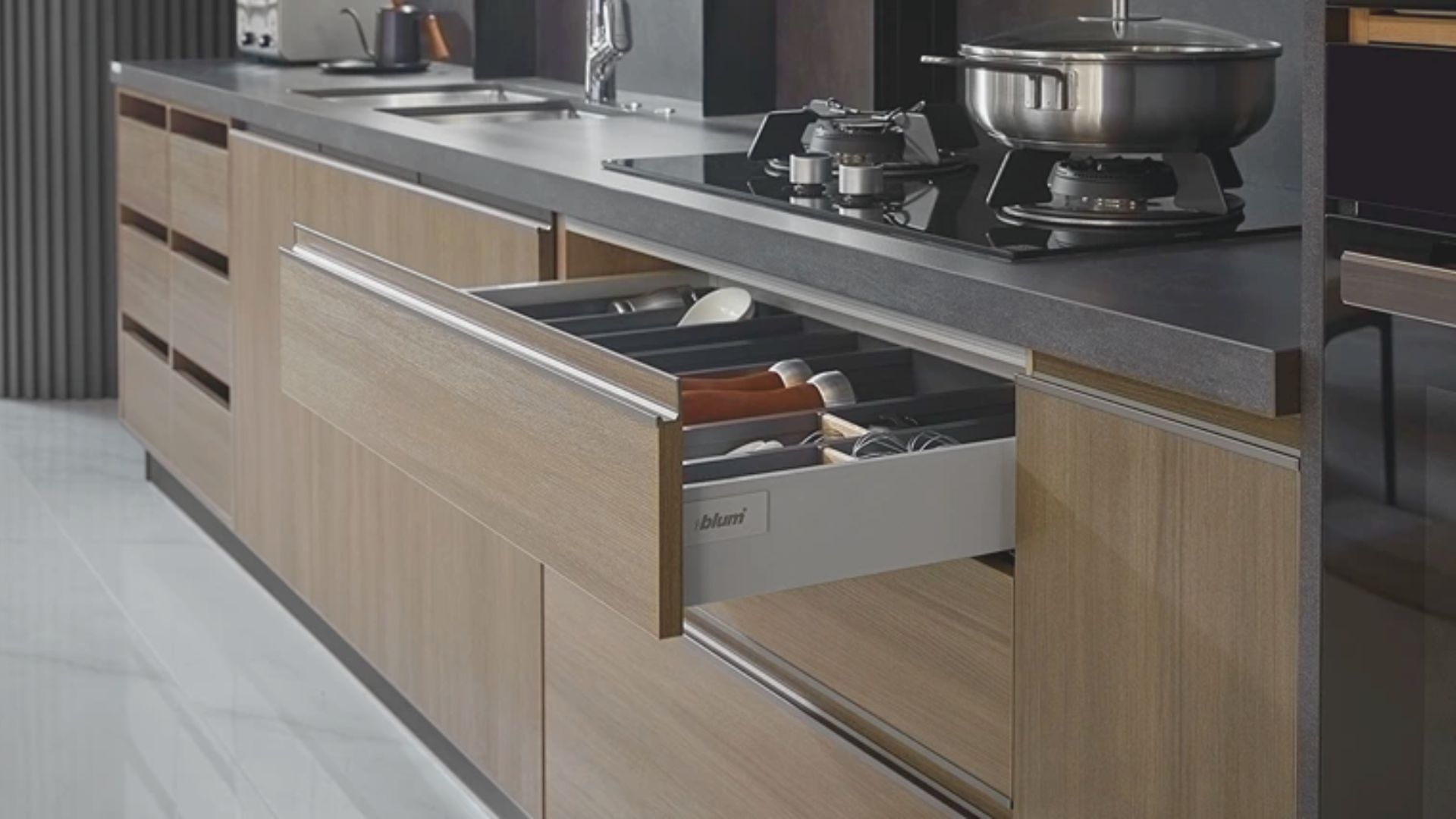
J-pull cabinets use a recessed groove cut into the door edge. The channel looks like the letter J in cross-section. You slide your fingers into this groove to pull open the door.
The recess depth ranges from 0.5 to 1 inch and typically runs along the top edge of wall cabinets.
J-pulls suit modern and contemporary kitchens best. They also work in transitional, Scandinavian, and industrial spaces. Matte finishes work exceptionally well since the groove creates a shadow line. Wood grain finishes also suit J-pulls as the pattern runs through the groove naturally.
True Handleless Cabinets with Rail Systems
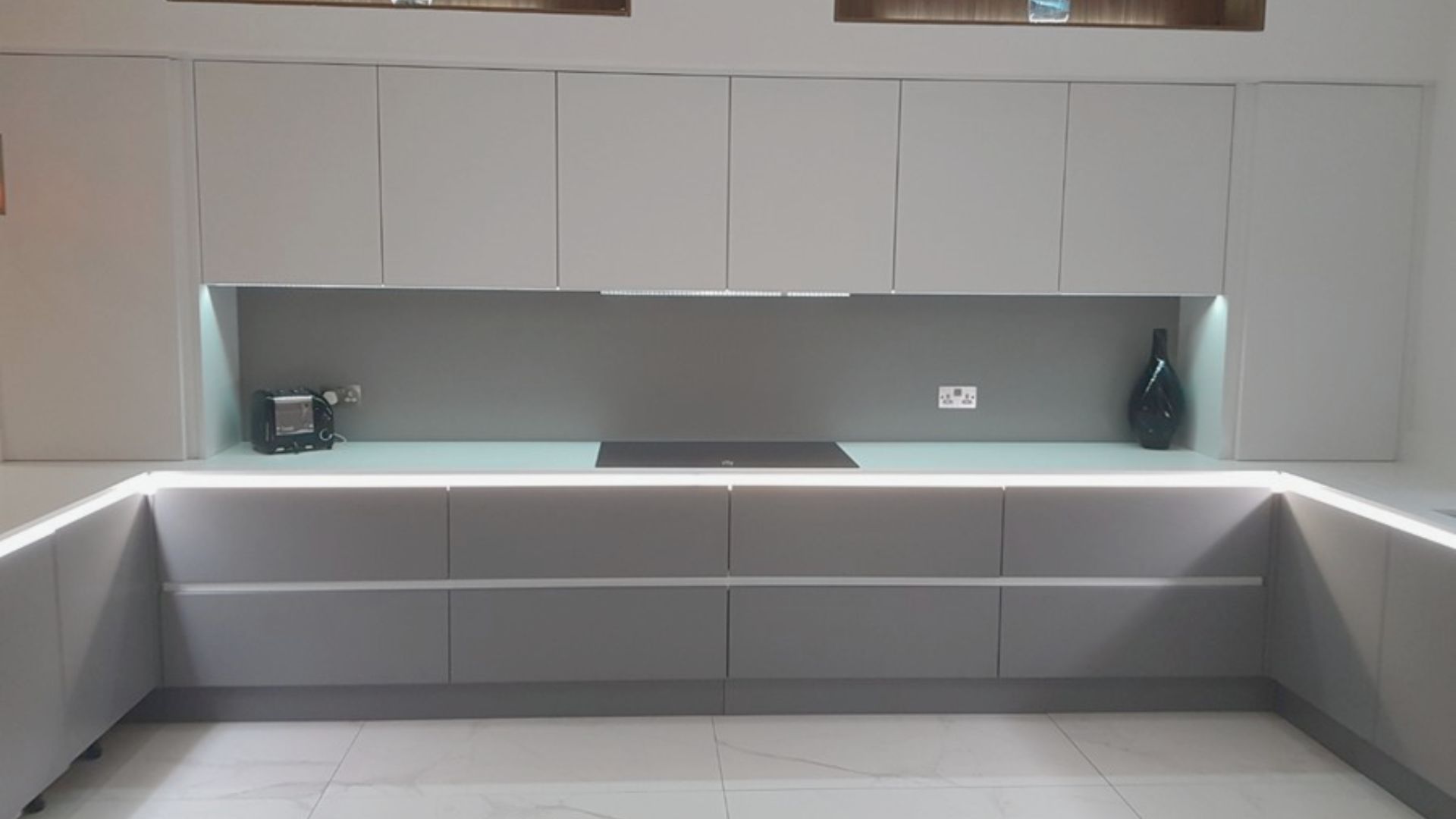
Rail systems use a horizontal channel mounted behind cabinet doors. Your fingers slip into the narrow gap and behind the rail to pull open the doors. The gap measures 0.25 to 0.5 inches, just wide enough for fingertips. One rail serves an entire row of cabinets.
The rail hides completely behind the cabinet front. From straight on, you see only flat doors with thin shadow lines.
This creates the most seamless handleless look. Rail systems suit gallery kitchens, small spaces, and modern homes. They cost more than other options and require precision installation.
Push-to-Open Cabinets
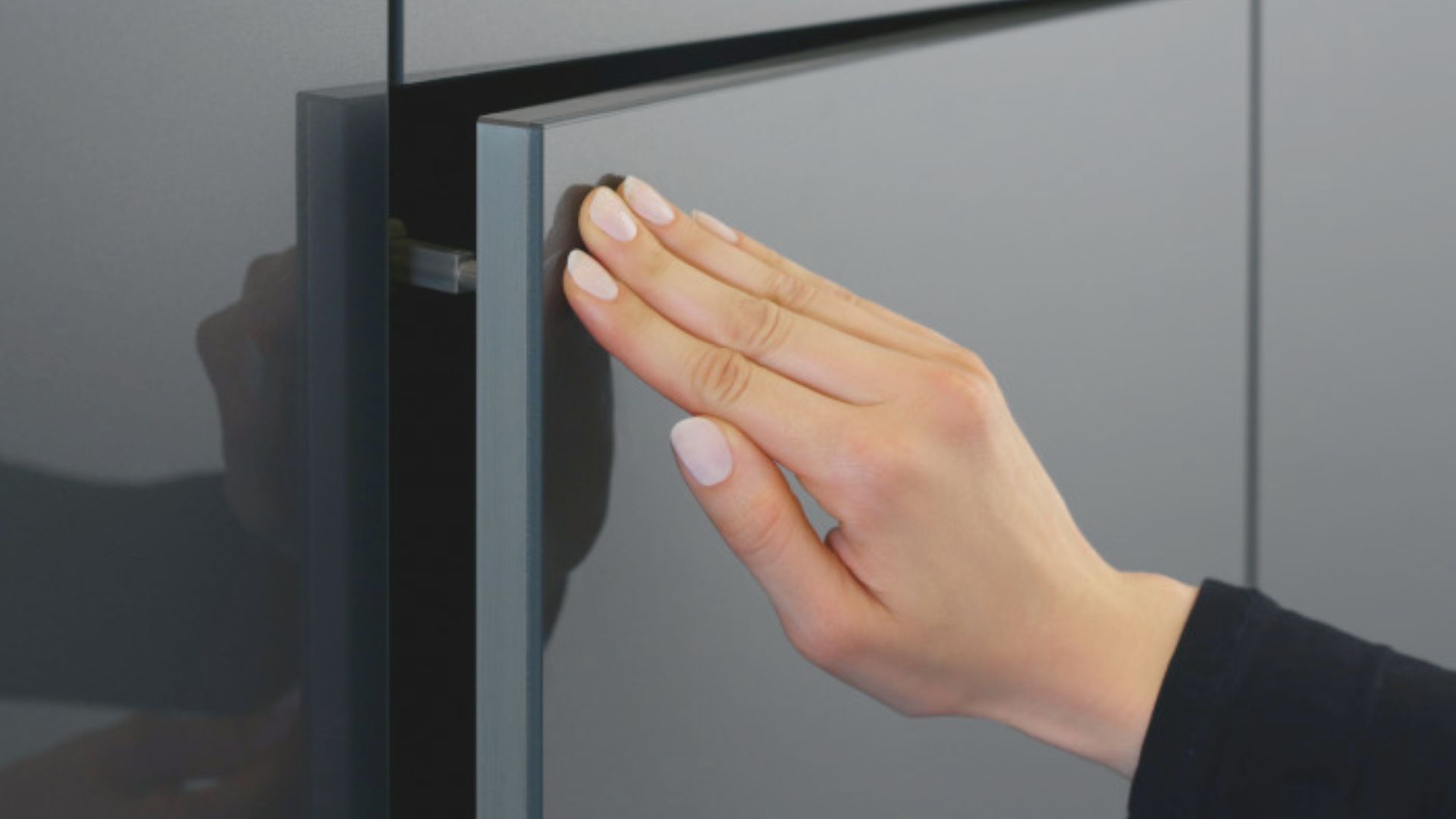
Push-to-open systems use spring-loaded hinges. Press the door lightly, and it pops open 1-2 inches. Press again to close and reset the mechanism. No electricity needed, just mechanical spring action.
This creates the most minimal look with nothing interrupting flat surfaces. Easy to use with full hands since you can bump doors with your elbow. However, accidental openings happen sometimes, and springs can wear out over time. Push-to-open works best on upper cabinets and pantry areas.
Cabinets Using Back Bevels
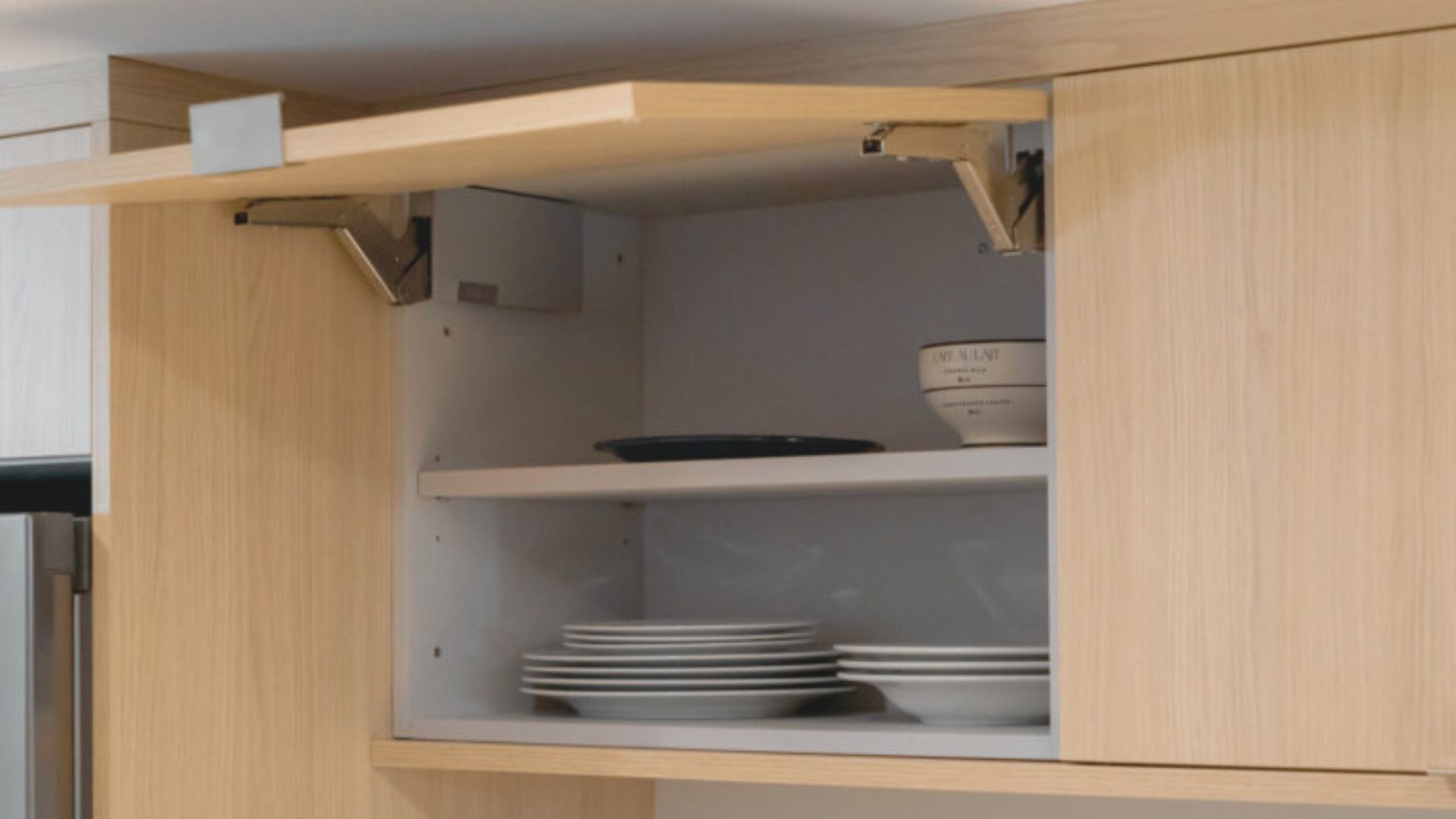
A back bevel angles the door edge away from the cabinet box. Instead of a straight 90-degree edge, the door slopes backward slightly.
This creates a small gap where your fingers fit to pull open. The bevel angle typically measures 5 to 15 degrees.
Back bevels work without any mechanical parts. No springs to wear out or rails to maintain. They provide tactile feedback so you can feel the grip edge without looking. Slab doors work best with back bevels since the flat surface makes the angled edge stand out clearly.
Slab Cabinets
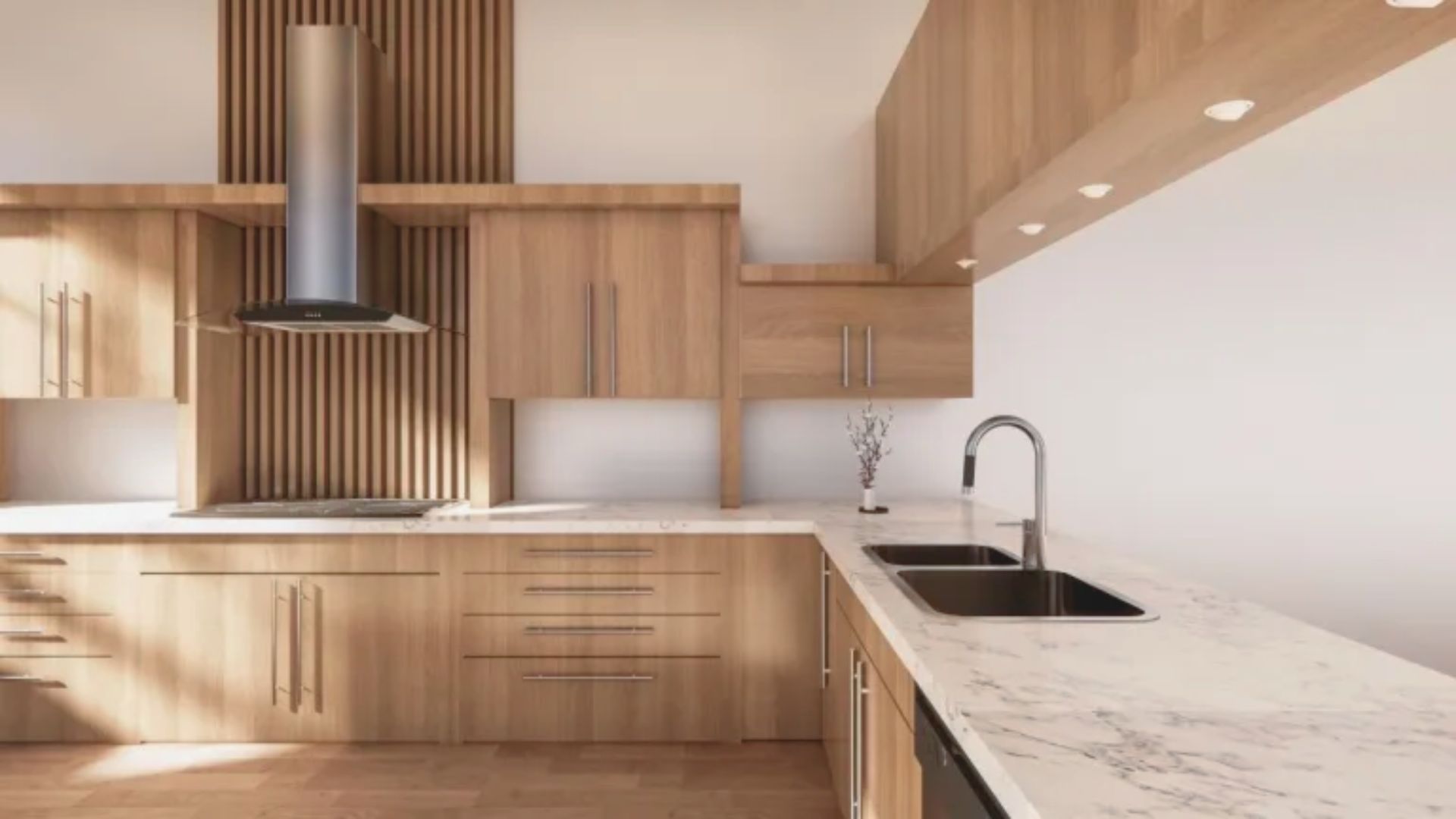
Slab doors are completely flat with no frames, panels, or details. This makes them natural partners for any handleless system. Any opening mechanism shows clearly against the flat surface with no competing visual elements.
Laminate offers the most finish options with hundreds of colors. Painted MDF or wood gives custom colors. Wood veneer brings natural grain patterns. Acrylic or glass creates high-gloss surfaces. Slab cabinets suit contemporary, modern, and minimalist kitchen styles.
Matte Finish Cabinets
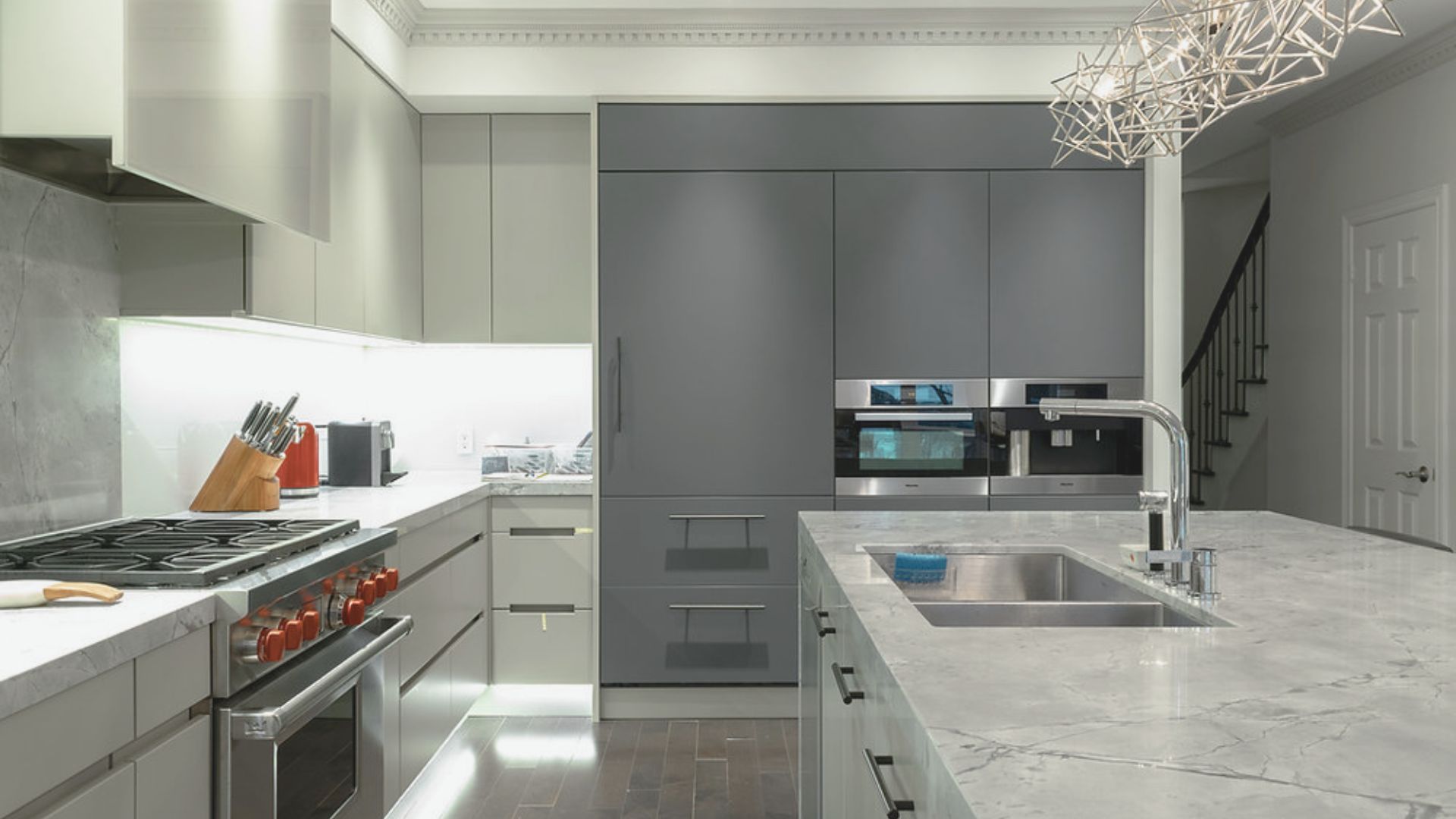
Matte finishes scatter light instead of reflecting it. This hides oils, smudges, and fingerprints that show clearly on glossy surfaces. Medium tones like warm grays, greiges, and muted blues hide fingerprints best.
Matte finishes feel softer than glossy ones. They absorb rather than reflect, creating calm spaces. Pair matte cabinets with natural wood accents, matte metal fixtures, honed stone countertops, and textured backsplashes.
High-Gloss Cabinets
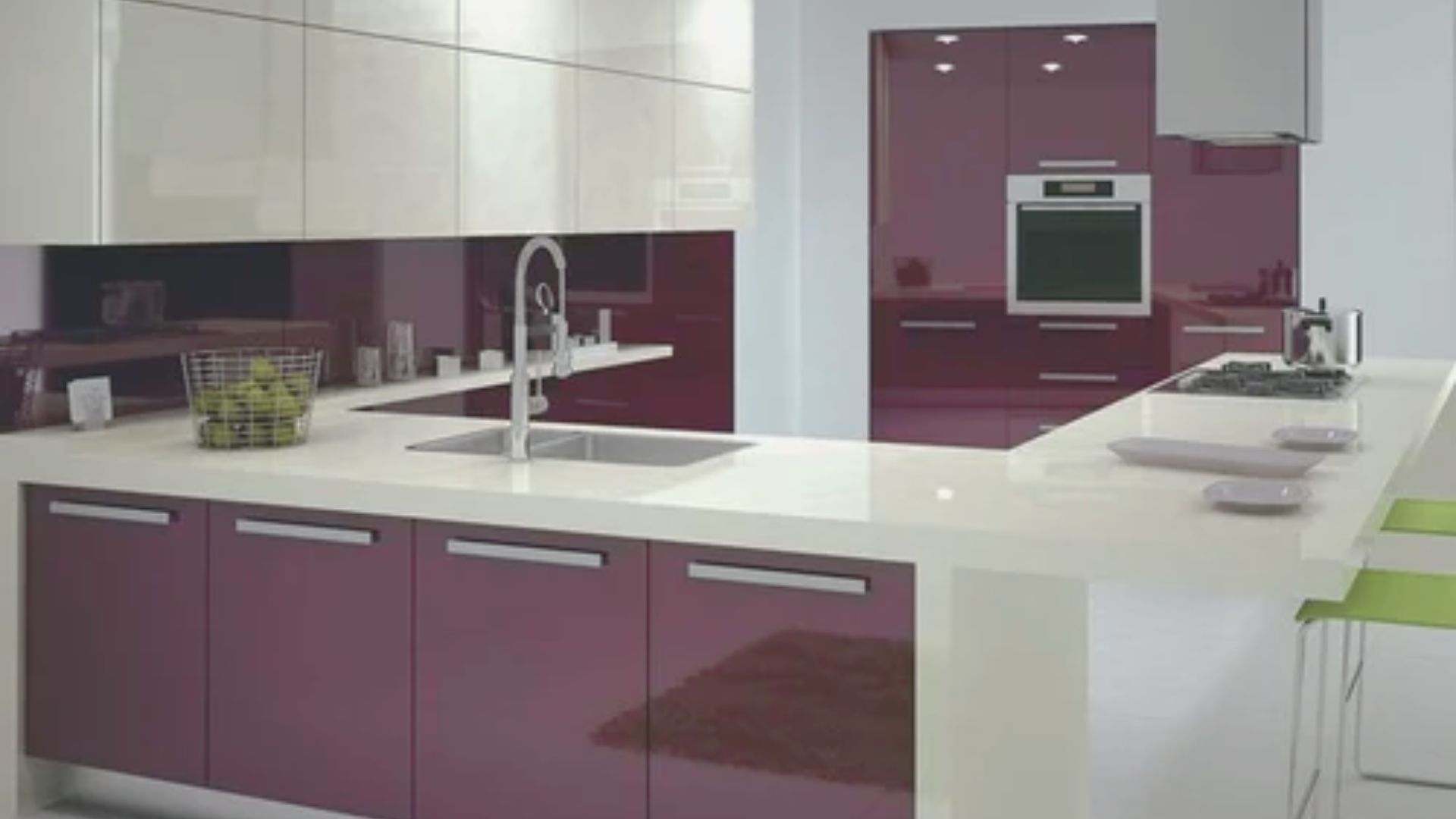
High-gloss cabinets act like mirrors. They bounce light around the kitchen, making spaces feel brighter and more open. This works especially well in small kitchens or those with limited windows.
Choose gloss when you want maximum light reflection or your color choice needs intensity. Skip gloss if your kitchen gets heavy use from children or you prefer low-maintenance surfaces. Gloss shows every fingerprint and requires daily wiping in high-traffic areas.
Neutral-Tone Cabinets
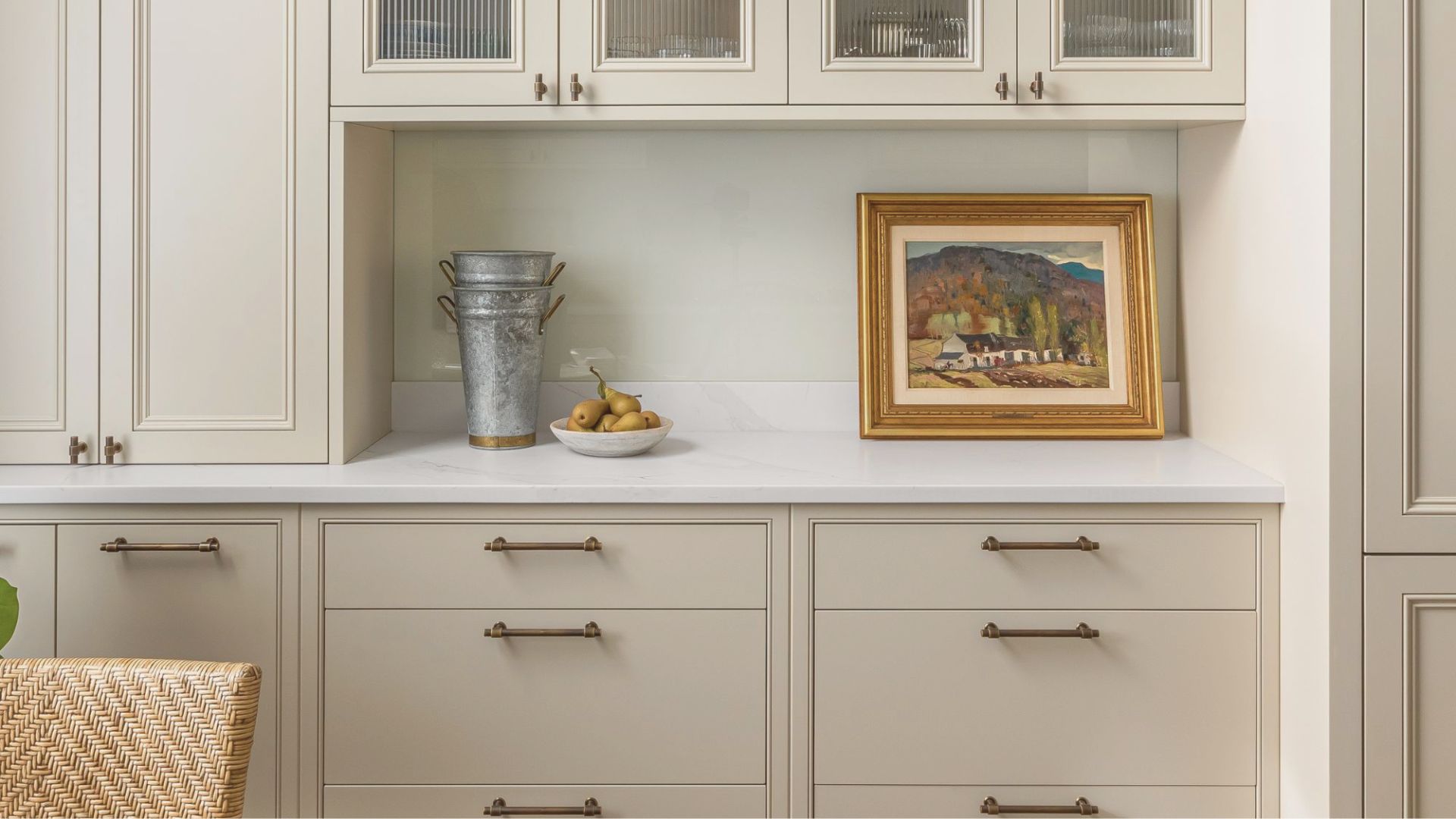
White cabinets remain the most popular choice. They make kitchens feel clean, bright, and spacious. Cream and off-white add warmth. Gray offers depth and balance. Black creates bold contrast and shows off the handleless design most dramatically.
Neutral cabinets let other kitchen elements shine. Your countertops, backsplash, and flooring become the focal points. This approach ages well since neutral cabinets won’t feel dated in five or ten years.
Bold Color Cabinets
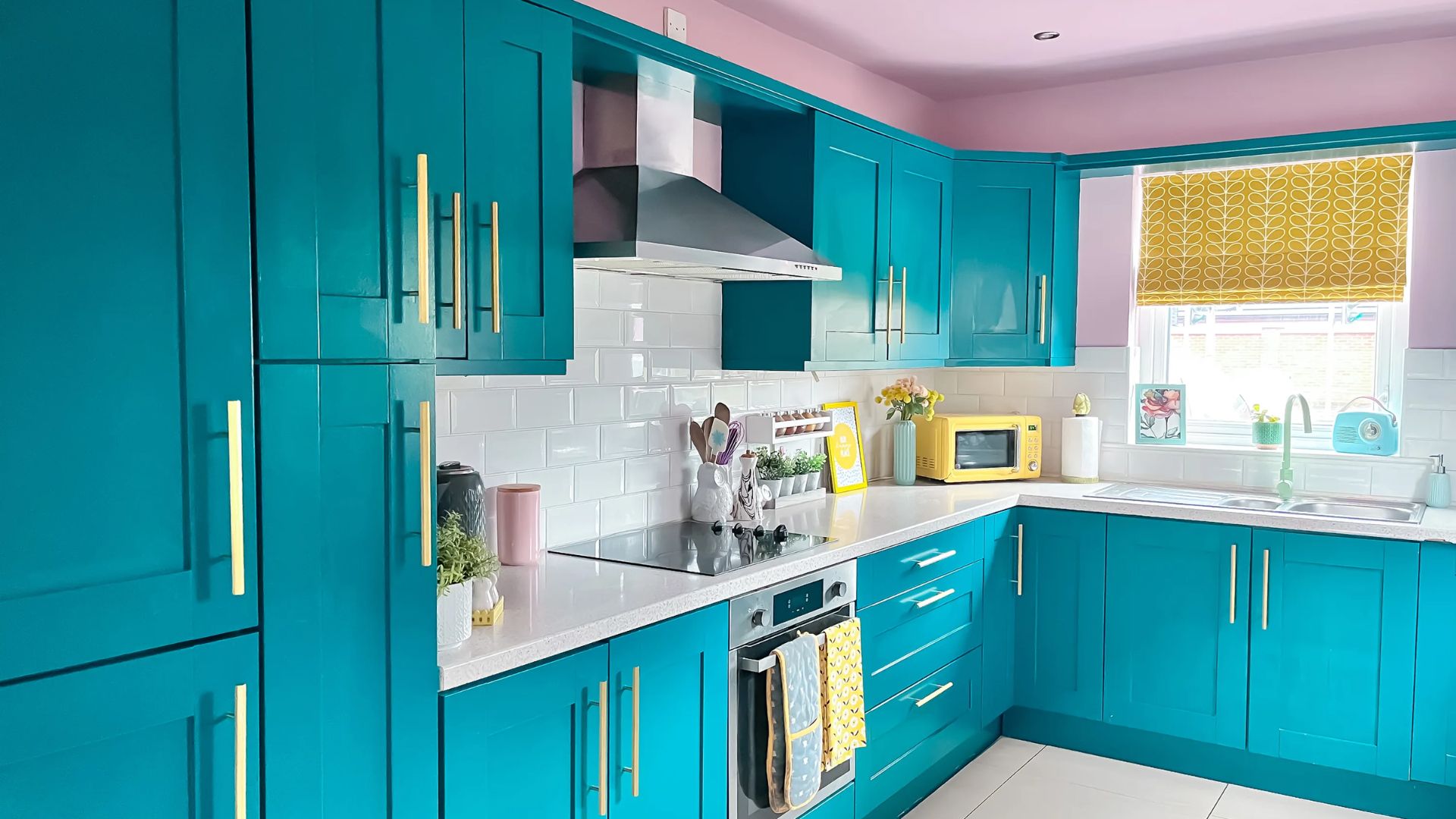
Deep blue cabinets bring richness without overwhelming spaces. Navy works as a neutral while adding color. Dark green connects to nature and feels grounding. Other options include deep red, charcoal blue, rich brown, and slate.
Matte finishes make bold colors feel sophisticated. The flat surface prevents colors from overwhelming the space. Balance bold cabinets with white or light countertops, open shelving, and plain backsplash. Keep other elements simple when cabinets make the statement.
Cabinets in Small Kitchens
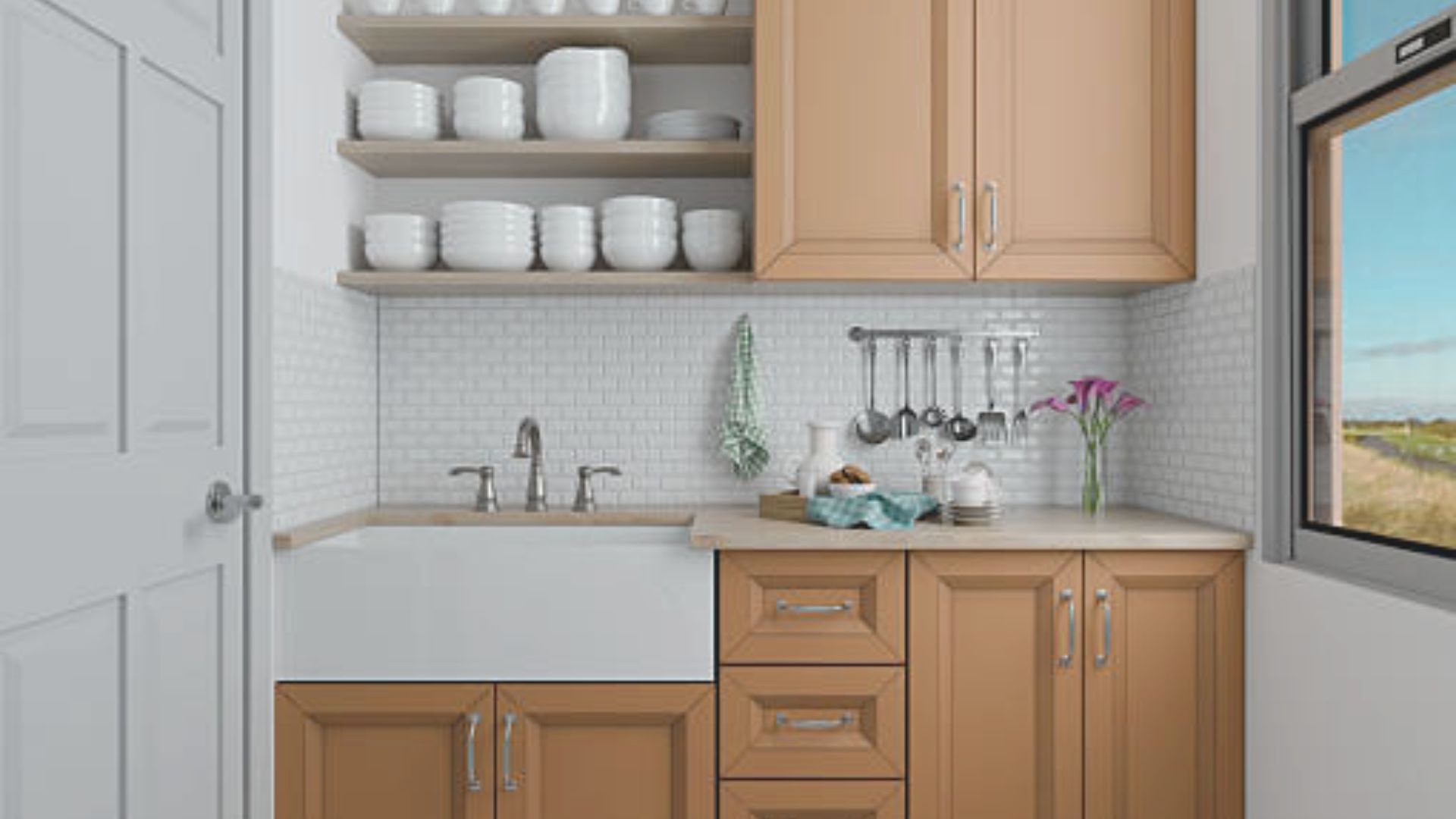
Traditional handles extend 1.5 to 3 inches from cabinet faces. Removing them gives you that space back. Narrow walkways feel less cramped, and you avoid catching clothing on handles. The visual simplification also makes spaces feel larger.
Light colors reflect more light. White or pale gray handleless cabinets make small kitchens feel airier. Floor-to-ceiling cabinets draw the eye upward. Push-to-open systems and J-pulls work best in compact layouts.
Mixing Cabinets with Other Features
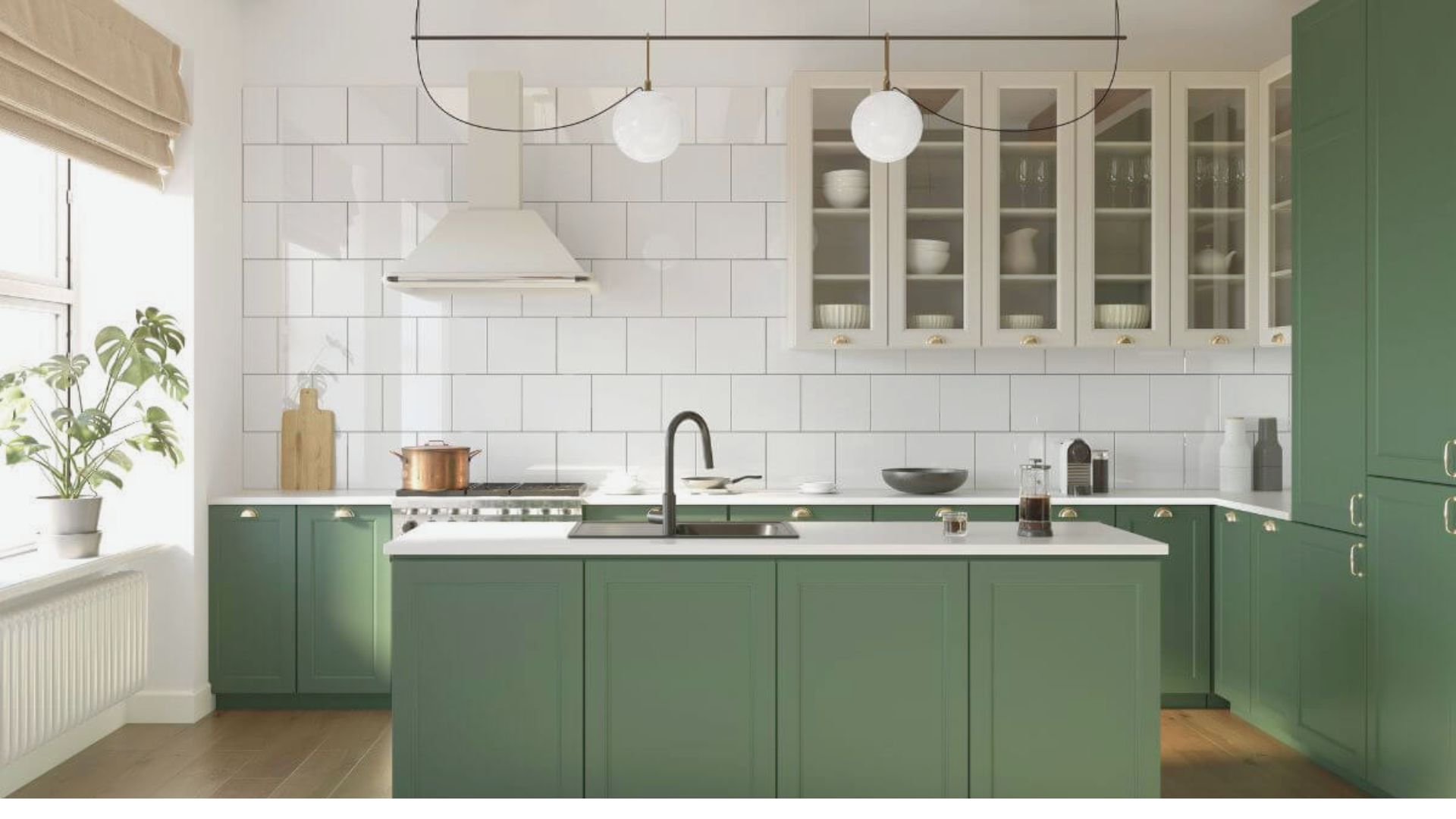
Clean cabinet lines call for interesting countertop materials. Natural stone with strong veining creates focal points. Butcher block adds warmth. Concrete suits industrial styles. Keep countertop edges simple to maintain clean lines.
Simple backsplashes work best. White subway tile or large-format tile keeps focus on the overall design. Lighting becomes more important without handling details. Use under-cabinet LED strips, pendant lights, and recessed ceiling lights. Mix materials like wood grain against solid color or matte and gloss finishes for visual interest.
Conclusion
Cabinets without handles offer clean lines and practical benefits for any kitchen size. I’ve designed dozens of these kitchens, and the right handleless system always improves both function and appearance.
Start by choosing your opening method: J-pulls, push-to-open, rails, or bevels. Then pick finishes that suit your style and maintenance preferences. The combinations are nearly limitless.
I recently updated my own kitchen with matte gray J-pull cabinets. The difference amazed me. More space, easier cleaning, and a look that still feels fresh years later.Ready to plan your handleless kitchen? Leave a comment about which design speaks to you, or share this guide with someone remodeling their space.
Frequently Asked Questions
Do cabinets without handles cost more than traditional cabinets?
Yes, handleless cabinets typically cost 10-30% more. Push-to-open and rail systems cost the most due to specialized hardware, while J-pulls and bevels are more affordable.
Are handleless cabinets hard to open for elderly people or children?
Most handleless systems work well for all ages. Push-to-open needs minimal strength, but people with arthritis may prefer traditional handles for better leverage.
How do I clean fingerprints off handleless cabinets?
Use a microfiber cloth with water or a mild cleaner. Wipe in one direction and choose matte finishes to hide prints better than gloss.
Can I add handles later if I don’t like the handleless design?
Yes, but drilling holes permanently alters the doors. This works poorly with J-pulls or bevels, so consider your choice carefully before installation.
Which handleless system lasts longest without needing repairs?
J-pulls and back bevels last indefinitely with no moving parts. Push-to-open springs may need replacement after 5-10 years of heavy use.
