



Building a deck without proper railings is like driving without seatbelts, it might seem fine until disaster strikes. The height of deck railing is not just a building code requirement,it’s a critical safety feature that protects your family and guests from serious falls.
Getting railing height wrong can cost you thousands in rebuilds and put people at risk. Many homeowners assume all railings need the same height, but codes vary based on deck height, location, and use.
This guide covers everything you need to know about deck railing height codes, from basic residential requirements to commercial standards and local variations. You’ll learn when railings are required, proper measurements, and how to ensure your deck meets all safety codes.
Standard Deck Railing Height Code
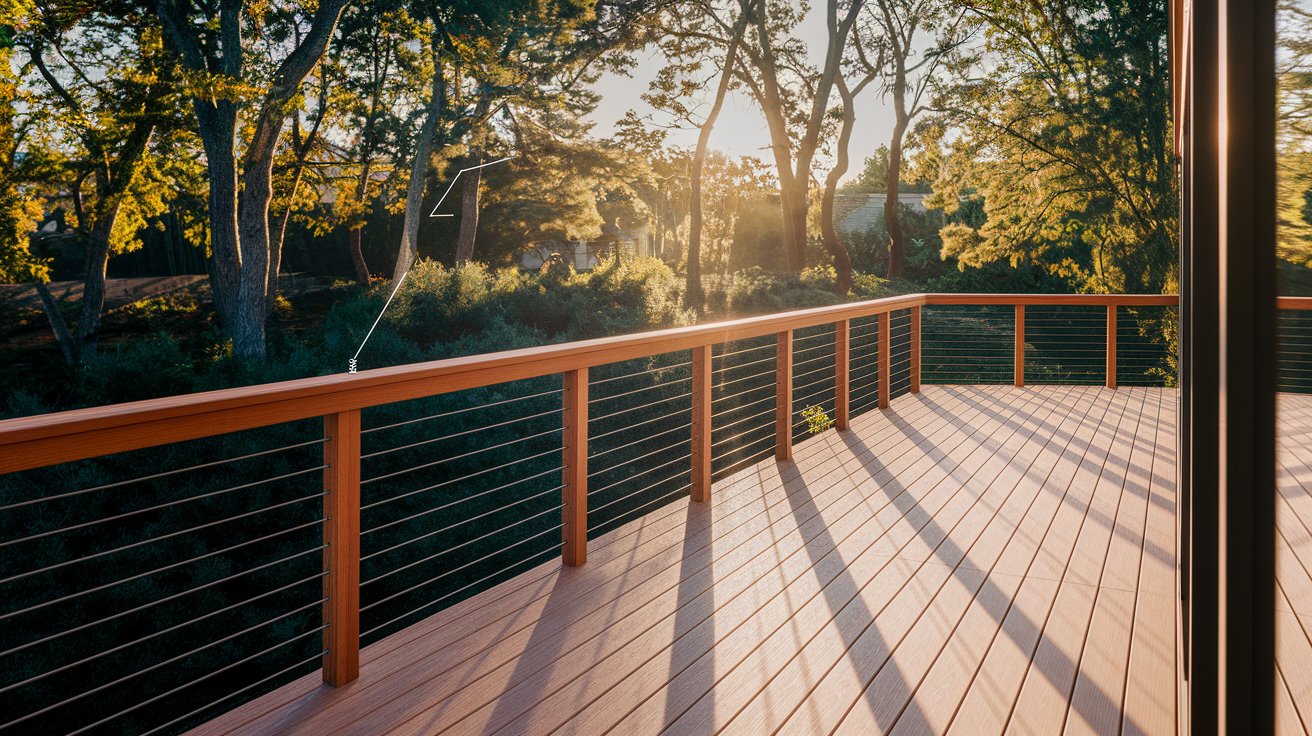
The height of deck railing for residential decks must be at least 36 inches when the deck sits more than 30 inches above ground. This measurement comes from the deck surface straight up to the top of the railing.
The International Residential Code (IRC) R312.1.2 sets this standard across most of the United States. This rule applies to the main railing that runs around your deck’s perimeter.
Most building inspectors check this measurement carefully during final inspections. A railing that’s even one inch too short can fail inspection and require costly repairs.
When Deck Railings Are Required?
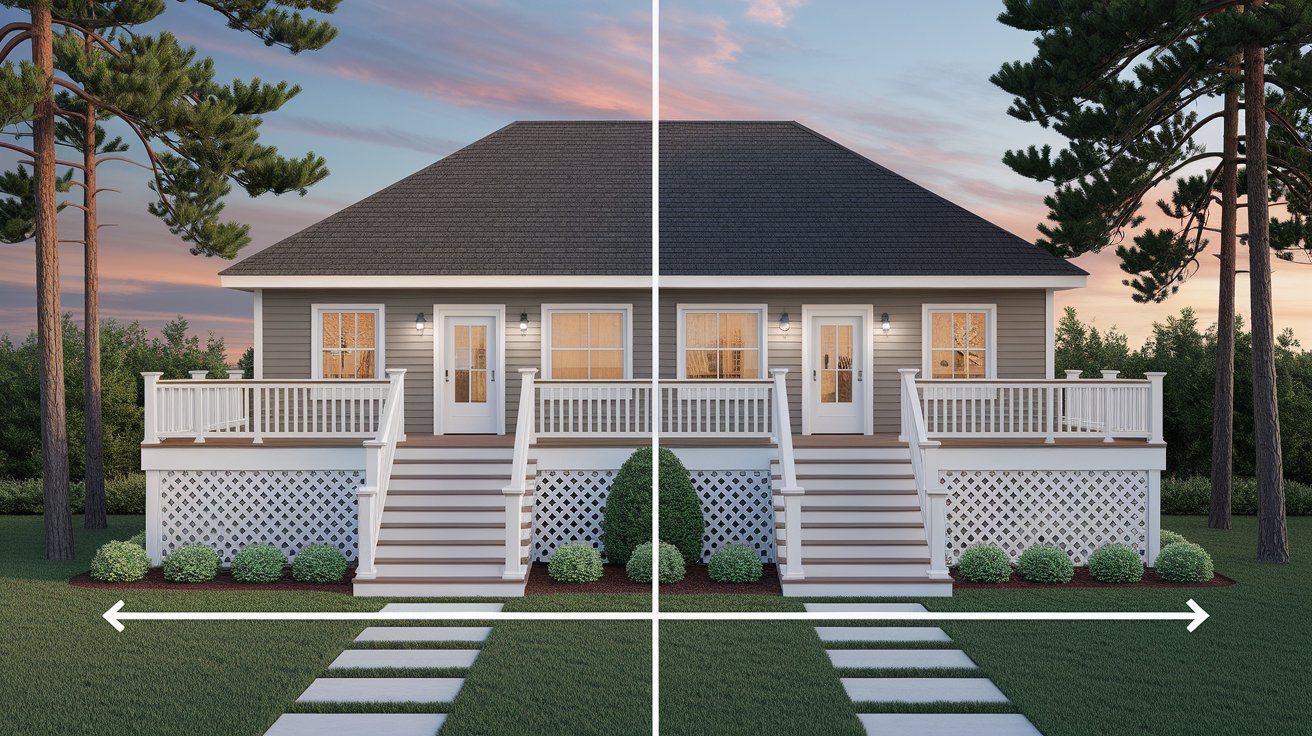
Deck railings become mandatory when your deck height reaches 30 inches above the ground below. This 30-inch rule comes from IRC R312.1.1 and applies to most residential projects.
Some areas have stricter rules that require railings at lower heights. Always check with your local building department before starting construction.
Ground-level decks under 30 inches high typically don’t need railings. However, stairs with more than three risers always need handrails regardless of deck height.
Commercial vs. Residential Height Differences
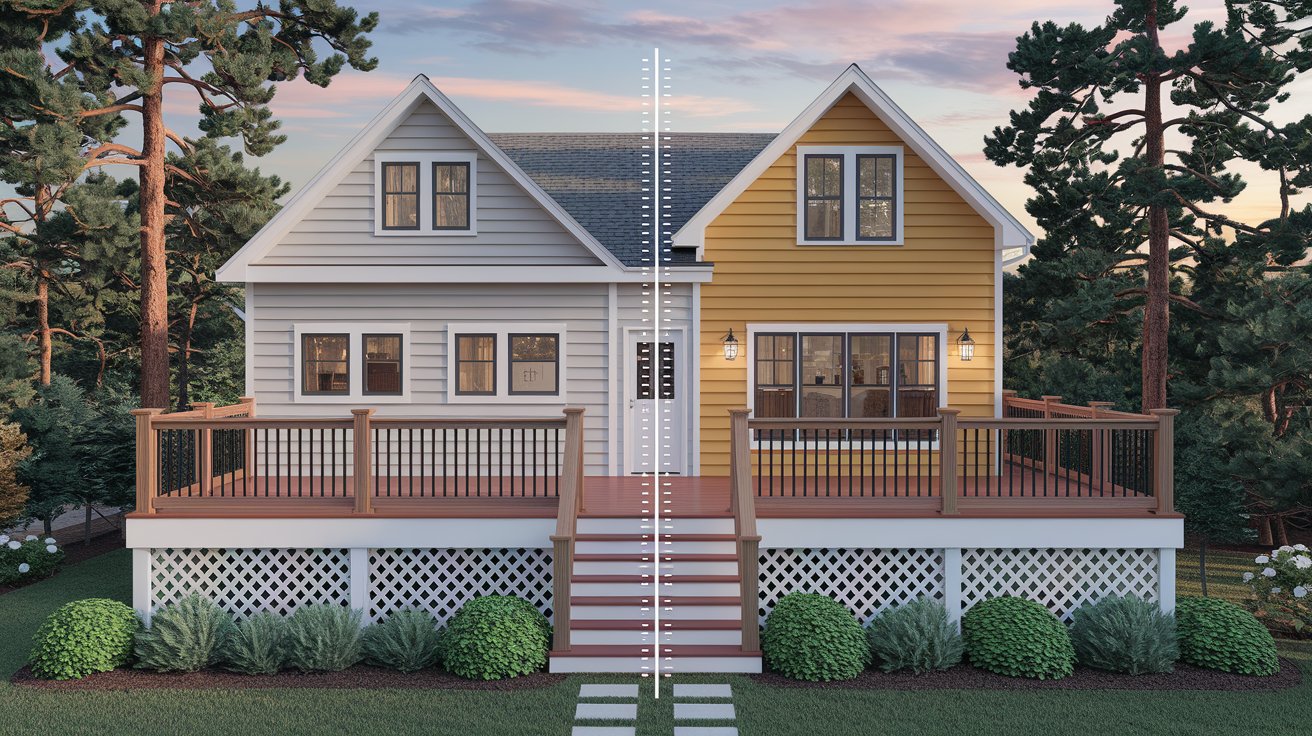
| Feature | Residential Decks | Commercial Decks |
|---|---|---|
| Minimum Railing Height | 36 inches | 42 inches |
| Purpose | Standard safety for homeowners | Enhanced safety for higher traffic and public use |
| Applicable Buildings | Private homes, residential decks | Office buildings, restaurants, retail spaces, public decks |
| Special Considerations | Standard residential codes apply | Mixed-use buildings may require commercial standards |
| Recommendation | Verify local residential codes | Check with local authorities to confirm applicable commercial regulations |
Deck Stair Railing Height Requirements
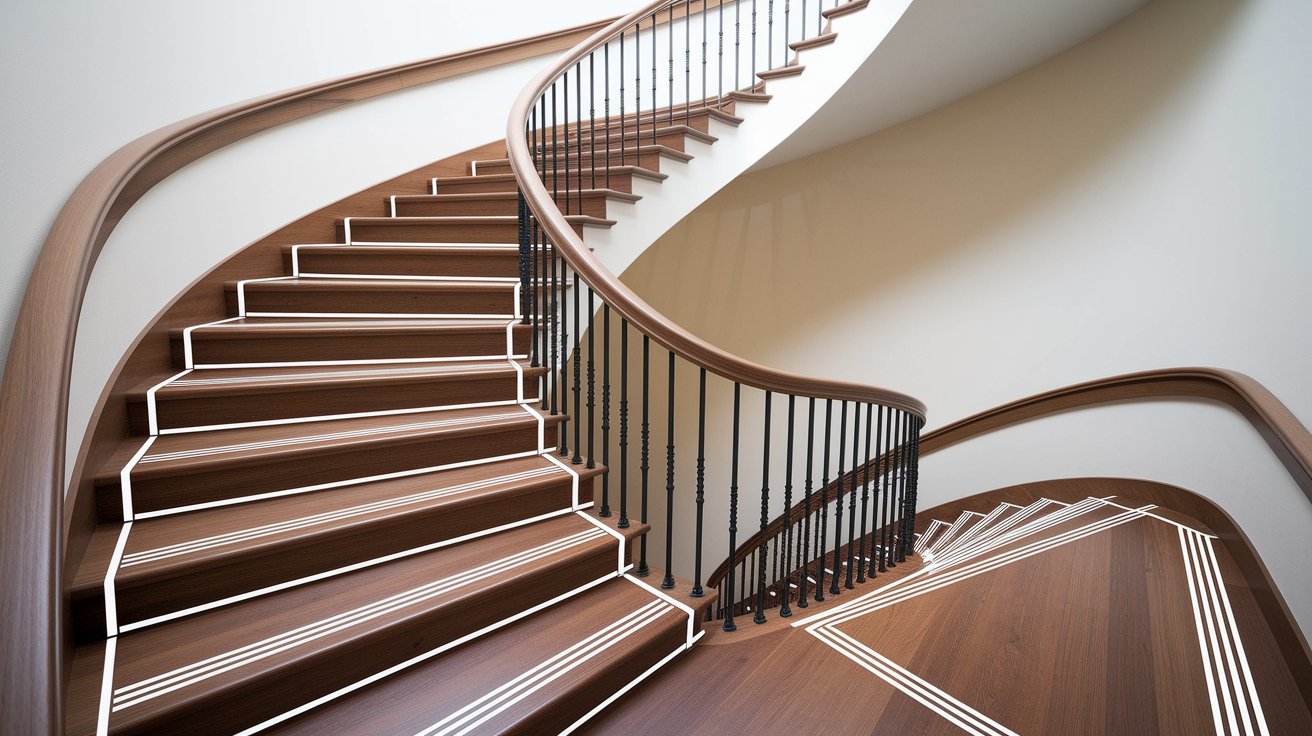
Stair railings are measured differently because of the slope. Residential stair railings must be at least 34 inches from the stair nosing.
When handrails also serve as guards, they can range from 34 to 38 inches, providing a comfortable grip while climbing. Proper height helps prevent slips and falls.
For wide stairs or special designs like curves and spirals, a professional review may be necessary to ensure safety and code compliance.
Baluster Spacing and Safety Codes

Balusters prevent falls, especially for children. Most codes follow the 4-inch sphere rule, meaning no gap should allow a 4-inch ball to pass.
Stairs have a slightly stricter rule with a 4⅜-inch maximum spacing, while triangular openings under stairs allow up to 6 inches. These measures ensure safety without compromising design.
Cable railings require closer spacing due to flexibility. Tension and maintenance are crucial for preventing gaps and maintaining compliance.
Local Code Variations

While IRC provides general standards, local building codes can be stricter. States like California and Washington require 42-inch minimum railings, even for some residential decks.
Municipalities may add extra requirements for mixed-use or high-traffic areas. Always confirm local rules before starting a project.
Following local codes ensures compliance, avoids costly modifications, and maximizes safety for family and guests.
ADA Compliance for Deck Railings
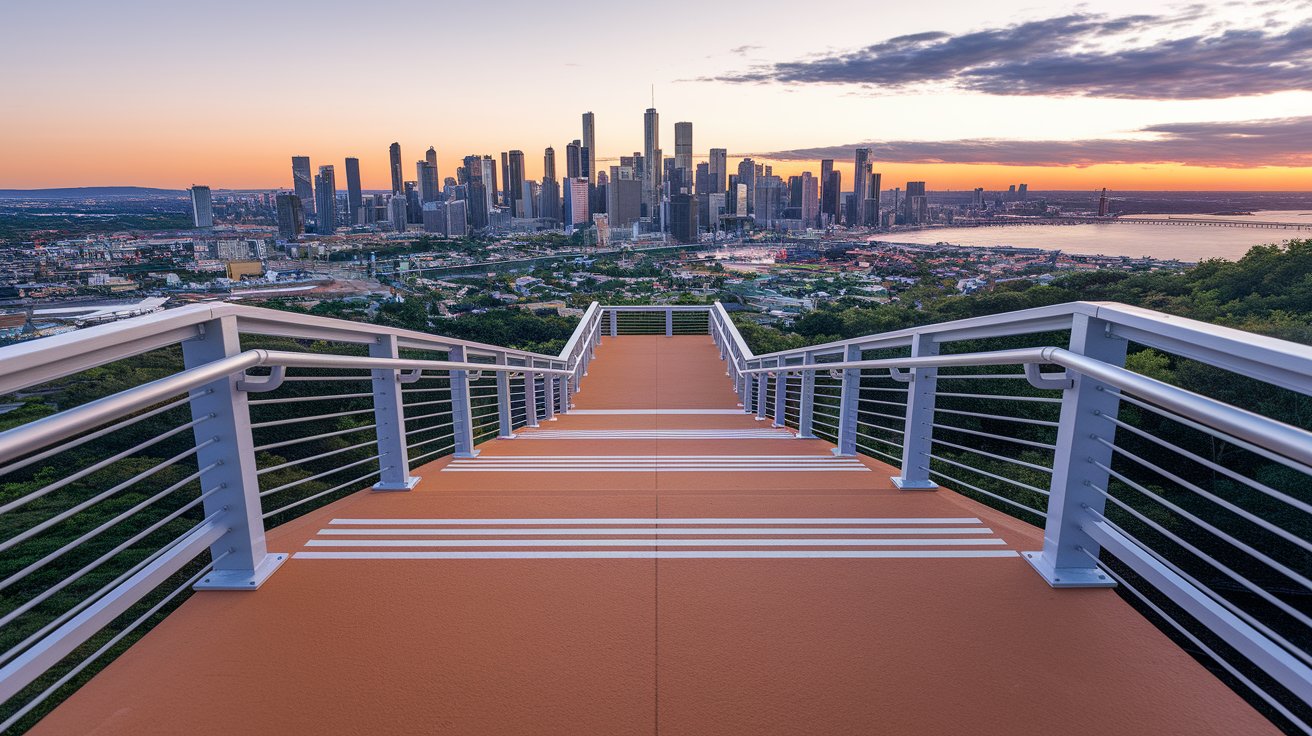
ADA compliance ensures decks and stairs are accessible to everyone. Handrails should be 34–38 inches high, with a diameter of 1.25–2 inches for proper grip.
Rails must be continuous along stairs, with 12-inch horizontal extensions at the top and bottom. Smooth, rounded surfaces prevent snagging and injuries.
Wide stairs need rails on both sides, very wide stairs require intermediate rails, and non-slip surfaces plus contrasting colors enhance accessibility for all users.
Deck Stair Railing Height Requirements
Stairs are a common area for slips and falls, so building codes set specific railing height standards to keep users safe:
Stair-Specific Height Codes
Stair railings need different measurements than deck railings. The height of the deck railing on stairs must be 34 inches minimum, measured from the stair nosing line.
When railings serve as both guards and handrails, they can be 34 to 38 inches high. This range gives builders flexibility while maintaining safety standards.
The IRC allows these lower heights on stairs because people need comfortable handholds while climbing. Taller railings can actually make stairs less safe by forcing awkward hand positions.
Special Stair Considerations
Measuring stair railing height requires following the slope of the stairs. You can’t measure straight up from each step; the measurement follows the stair angle.
Some stairs need both guardrails and handrails when they’re extra wide. Wide stairs over 44 inches need handrails on both sides for safety.
Curved or spiral stairs have special requirements that may differ from standard straight-stair rules. These complex designs often need professional engineering review.
Baluster Spacing and Safety Codes
Balusters are the vertical posts between deck railings that prevent falls, especially for children. Building codes set maximum spacing to ensure safety:
Standard Baluster Spacing Requirements
The 4-inch sphere rule governs most railing openings. No gap in your railing should allow a 4-inch ball to pass through anywhere.
Stair balusters follow a slightly stricter rule with 4⅜-inch maximum spacing. This tighter spacing accounts for the angles created by stair slopes.
Triangular openings under stairs follow a 6-inch sphere rule. These areas are less likely to trap children, but still need reasonable spacing limits.
Cable Railing Considerations
Cable railings need closer spacing than traditional balusters because cables can flex under pressure. Most cable systems space cables 3 to 4 inches apart, maximum.
Quality cable railing systems come pre-engineered to meet code requirements. Choose systems from manufacturers who provide compliance documentation.
Tension is critical for cable railings – loose cables create larger gaps and safety hazards. Regular maintenance keeps cable systems safe and code-compliant.
ADA Compliance Requirements
Decks and stairs should be accessible to everyone, including people with disabilities. ADA-compliant handrails ensure safety, proper grip, and ease of use for all users:
ADA Handrail Specifications
Handrails must be 34 to 38 inches above the walking surface, with a diameter of 1.25 to 2 inches for a proper grip. Continuous handrails are required along the entire stair length, with 12-inch horizontal extensions at the top and bottom. Smooth, rounded, or oval surfaces prevent snags and injuries.
Mounting brackets should not stick out more than 1.5 inches, and a clear space of 1.5 inches is needed between the handrail and the wall. Stairs wider than 44 inches require handrails on both sides, and very wide stairs over 88 inches need intermediate handrails. Non-slip surfaces and contrasting colors improve safety and accessibility.
Regular inspection ensures ongoing compliance, and metal railings should be considered for temperature extremes. For complex accessibility features, professional installation is strongly recommended to maintain safety and code compliance.
Accessibility Implementation
Secondary handrails at different heights can help people of various abilities. Standard height railings work for most adults, while lower rails help children and wheelchair users.
Many railing systems now offer built-in accessibility features. These systems make compliance easier while maintaining good looks.
Work with accessibility consultants for complex projects. They can help ensure your deck works for everyone who might use it.
Tips for Proper Deck Railing Installation
Installing deck railings correctly is key to safety, durability, and code compliance. Even small mistakes can create hazards or lead to failed inspections:
- Measure twice, cut once: Always double-check the height of deck railing measurements before making any cuts or purchases
- Use proper footings: Set railing posts in concrete footings that extend below the frost line for stability
- Check post spacing: Space railing posts no more than 6 to 8 feet apart to prevent sagging
- Install blocking: Add blocking between deck joists where railing posts attach for extra support
- Use galvanized hardware: Choose corrosion-resistant bolts and screws rated for outdoor use
- Test before finishing: Check all connections and spacing before applying final finishes or stains
- Follow manufacturer instructions: Each railing system has specific installation requirements for safety
- Consider professional help: Complex designs or accessibility requirements often need expert installation
- Plan for drainage: Ensure water can drain away from post connections to prevent rot
- Account for settling: New decks may settle slightly, affecting railing alignment over time
- Schedule inspections: Have railings inspected before covering connections with trim or finishes
- Keep documentation: Save all receipts, permits, and inspection records for future reference
- Maintain regularly: Check railing tightness and condition at least once per year for ongoing safety
Conclusion
Before you start building your deck, remember that railing rules can vary depending on where you live. While the IRC sets general guidelines, some states like California and Washington require railings to be 42 inches or higher.
It’s always a smart idea to check with your local building department. They’ll tell you if your area has stricter rules or special requirements you need to follow.
By verifying local codes, securing permits, and scheduling inspections, you can make sure your deck is not only beautiful but also completely safe for your family and guests. Taking these steps now saves headaches later and gives you peace of mind knowing your deck meets all regulations.
Frequently Asked Questions
What is the standard height requirement for residential deck railings?
Residential deck railings must be at least 36 inches high when the deck is more than 30 inches above ground level, according to IRC standards.
Do I need railings on a low deck close to the ground?
Decks less than 30 inches above ground typically don’t require railings, but always check your local building codes for specific requirements in your area.
Are commercial deck railing heights different from residential requirements?
Yes, commercial deck railings must be at least 42 inches high, which is 6 inches taller than the standard residential requirement of 36 inches.
How do I measure deck railing height correctly for code compliance?
Measure straight up from the deck surface to the top of the railing. For stairs, measure from the stair nosing line following the slope.
Can local building codes require taller railings than national standards?
Yes, local codes can be stricter than national codes. Some states, like California, require 42-inch railings even for residential decks in certain situations.
