


Finding black mold under the sink is stressful. I know because I have dealt with it firsthand. The dark patches, the musty smell, the nagging worry about your family’s health. It is a lot to take in.
But here is what I want you to know: you can fix this.
In this article, I will cover how to identify the mold, remove it safely, and stop it from coming back. I will also walk you through tools, cleaning solutions, and special cases.
With hands-on home improvement experience and research-backed guidance, everything you read here is practical and proven.
Understanding Black Mold Under Sink
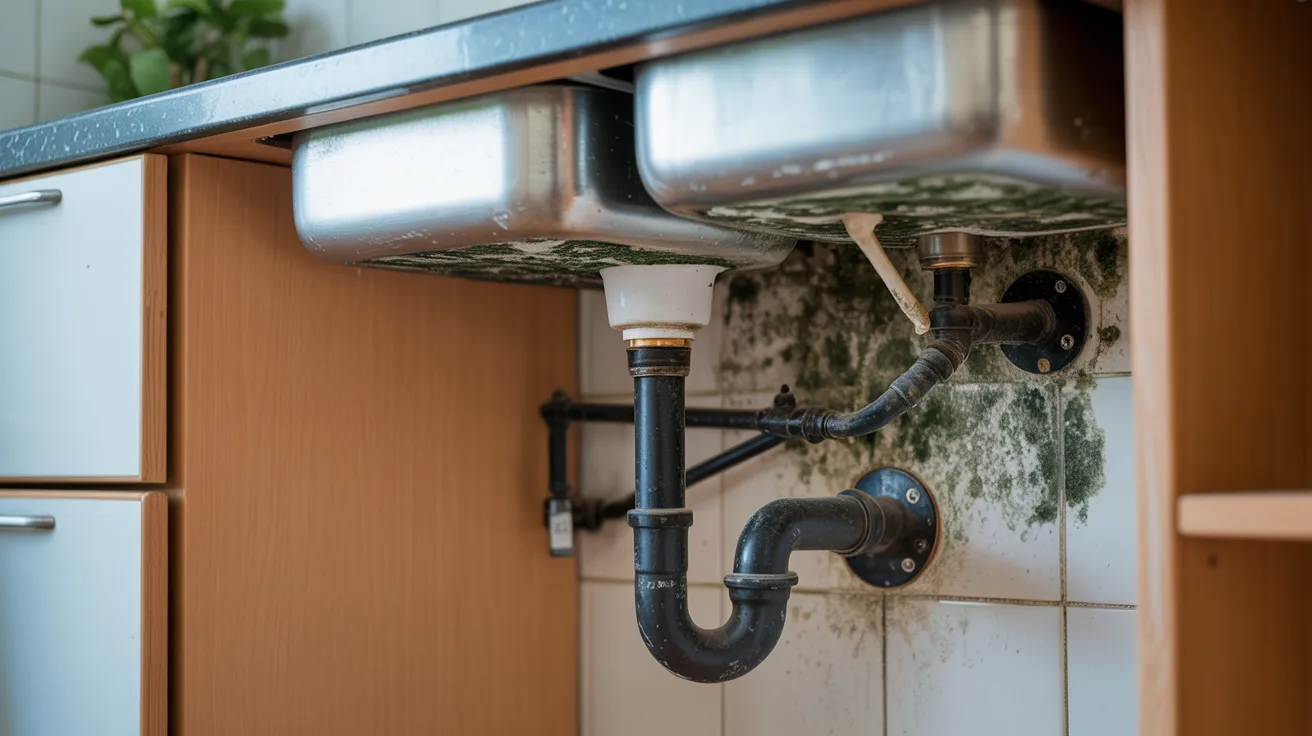
Black mold under the sink is a type of fungus that thrives in dark, damp spaces. It typically appears as dark green or black patches on wood, drywall, or pipes.
The most common causes are slow leaks, poor ventilation, and trapped moisture that never fully dries out.
Because the area under a sink is enclosed and easy to overlook, mold can spread for weeks before anyone notices.
Catching it early makes the entire cleanup far simpler and reduces the risk to your health.
Health Risks of Black Mold Exposure

Black mold is not just an eyesore. It can affect your body in real ways.
- Respiratory problems: Mold spores in the air can trigger coughing, wheezing, and shortness of breath, especially in people with asthma.
- Allergic reactions: Common symptoms include runny nose, itchy eyes, skin irritation, and sneezing that does not go away.
- Long-term health effects: Repeated exposure over time may lead to chronic lung issues, headaches, and fatigue, particularly in children and older adults.
Identifying Mold Under the Sink

Catching mold early saves you time, money, and health concerns. Here is how to spot it and what tools help.
Signs to Look For
Mold does not always look obvious at first. Musty odors are usually the first clue. If you open the cabinet and notice a damp, earthy smell, take a closer look.
Discolored or warped wood signals that moisture has been sitting too long. Bubbling paint or soft cabinet surfaces often mean the damage has already spread beneath the surface.
Tools for Inspection
You do not need much to do a proper inspection. A flashlight helps you see into dark corners. Wear gloves and an N95 mask before you start.
Use a screwdriver to gently press on wood panels and check for softness or rot. A moisture meter is optional but very useful for finding hidden leaks behind walls or under the cabinet floor.
Preparing for Safe Mold Removal

Good prep work makes mold removal safer and more effective. Do not skip these steps.
Safety Gear: Put on rubber gloves, an N95 mask, and safety goggles before touching anything. Mold spores travel through the air and can irritate your lungs and skin.
Wear long sleeves too. Even a small patch of mold can release thousands of spores the moment you disturb it.
Ventilation: Open nearby windows and turn on the kitchen exhaust fan if you have one. Place a small portable fan near the cabinet to keep fresh air moving.
Good airflow prevents spores from building up while you work and speeds up drying afterward.
Clearing the Area: Remove everything stored under the sink before you begin. Take out cleaning bottles, extra bags, sponges, and anything else sitting there.
A clear workspace means you can reach every affected spot without spreading mold to other items or surfaces.
Step-by-Step Mold Removal Process

Follow these steps in order. Skipping ahead can spread mold to clean areas.
Step 1: Fix Any Leaks First
Do not start cleaning until you have stopped the source of moisture. Check all pipes and faucets for drips, even slow ones.
Tighten any loose fittings and replace worn washers. If a pipe looks cracked or damaged, call a plumber before proceeding.
Cleaning mold while a leak is still active is a waste of time.
Step 2: Cleaning Solutions
You have a few reliable options. White vinegar kills most mold types naturally and is safe for most surfaces.
Hydrogen peroxide is another solid choice, especially on stubborn patches. For heavy growth, a commercial mold remover gives you stronger results.
Use baking soda as a scrubbing agent. It lifts mold off surfaces and absorbs leftover moisture at the same time.
Step 3: Scrubbing and Wiping
Apply your cleaning solution and let it sit for at least ten minutes. Then scrub using a stiff-bristled brush or a rough sponge.
Work in small sections so you stay thorough. Wipe away the mold with a clean cloth and check if any dark spots remain.
Repeat the process on stubborn areas until the surface looks clean.
Step 4: Drying and Preventing Spread
Once the mold is gone, dry the area fully. Place a fan or dehumidifier nearby and let it run for a few hours.
Bag all used clothes, sponges, and brushes in a sealed plastic bag before throwing them away. Do not reuse them.
Keeping the area dry after cleaning is the single most important thing you can do to stop mold from returning.
Special Cases
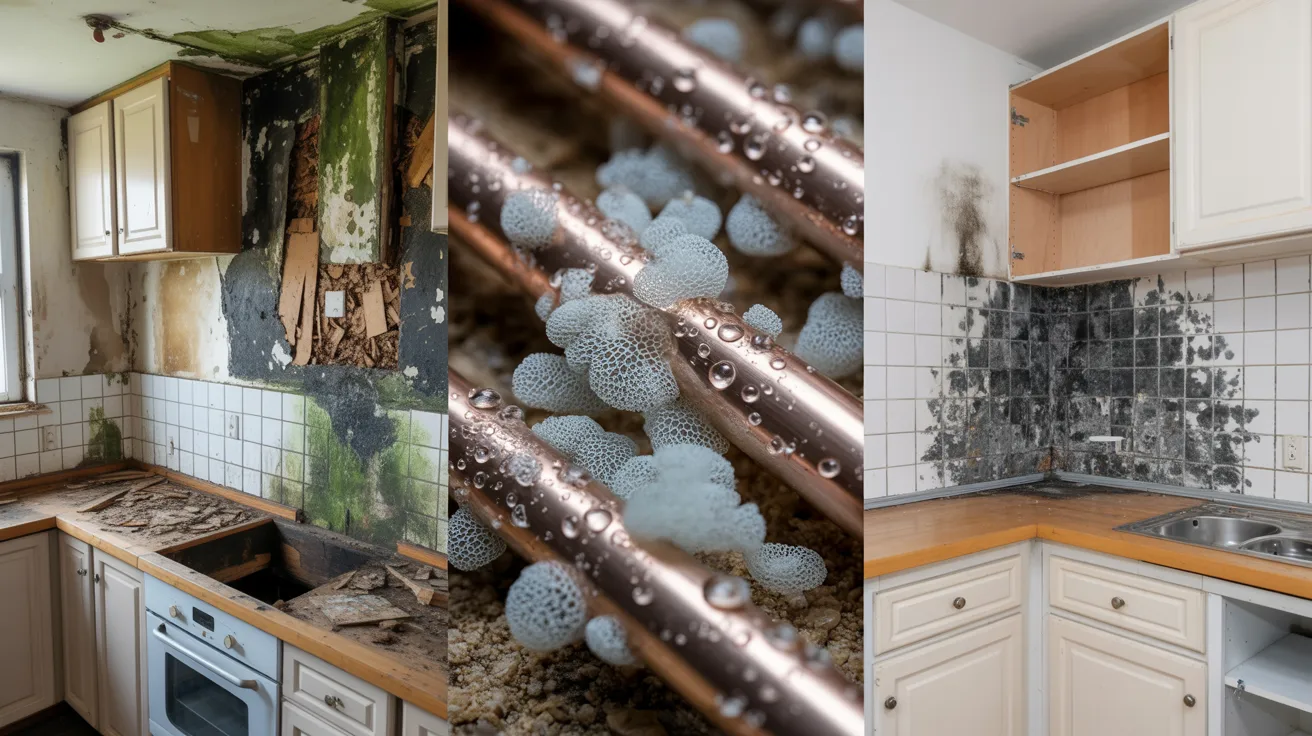
Some mold situations need extra care. Here is how to handle the trickier spots.
Mold on Particle Board or Wood: Particle board soaks up moisture quickly and is very hard to fully clean once mold has set in deep.
If the board feels soft or is starting to crumble, replacing it is the safer and smarter option. For early-stage mold on solid wood, scrub with a vinegar solution, let it dry completely, and check again in a few days.
Mold on Pipes: Wipe pipes down with a mold-killing solution and dry them thoroughly with a clean cloth. Look for condensation on the outside of the pipes, as that is often the cause.
Wrapping pipes with foam insulation can reduce moisture buildup and lower the chance of mold coming back.
Mold Behind Cabinet Walls or Back Panel: This is the hardest case. If mold has spread behind the back panel of the cabinet, you will need to remove the panel to reach it.
Check the drywall or wood behind it too. If the damage is deep or covers a large area, bringing in a mold remediation professional is worth considering.
Tips to Preventing Black Mold Under Sink
Stopping mold before it starts is always easier than dealing with it after the fact.
- Fix leaks right away. Even a tiny drip can create enough moisture for mold to grow within 24 to 48 hours.
- Wipe up spills immediately. Do not let water sit on cabinet floors or wood surfaces.
- Improve airflow. Leave the cabinet door slightly open between uses to let air circulate.
- Use a moisture absorber. Silica gel packets or small dehumidifier pods work well in enclosed cabinet spaces.
- Do regular checks. A quick look under the sink every few weeks can catch a leak or early mold spot before it becomes a bigger problem.
Conclusion
Dealing with black mold under the sink is not fun, but it is absolutely something you can handle.
I have been through this myself, and trust me, taking it one step at a time makes it far less stressful than it seems at first.
The key is acting fast, staying safe, and not letting a small patch turn into a big problem.Start with the steps in this guide, and you will be in a much better place.
If this helped you, leave a comment below or share it with someone who might need it. You have got this.
Frequently Asked Questions
Is black mold under the sink dangerous to my health?
Yes. It releases spores that irritate the lungs and trigger allergies. Children and people with respiratory conditions are most at risk.
Can I remove black mold under the sink myself?
Yes, for small patches. Use vinegar, hydrogen peroxide, or a commercial mold remover. Call a professional if it has spread into walls.
How long does it take for mold to grow under a sink?
As little as 24 to 48 hours. Fix leaks and dry wet surfaces fast to stop it from spreading.
What cleaning solution works best for black mold?
Vinegar and hydrogen peroxide work well for surface mold. For heavy growth, use a commercial mold remover. Let it sit for ten minutes before scrubbing.
How do I know if the mold is fully gone?
Check for dark spots or discoloration. The surface should look clear and feel firm. Check again after a few days to be sure.
